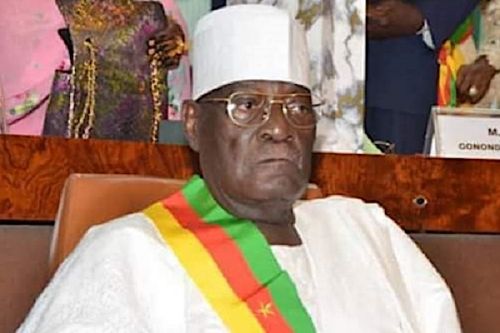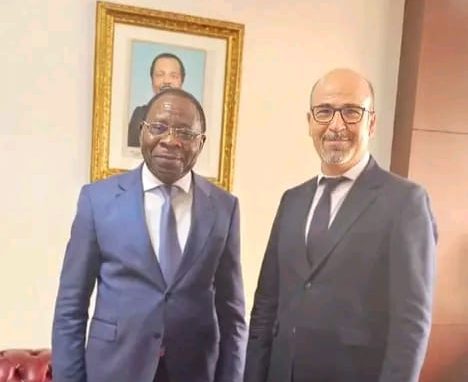


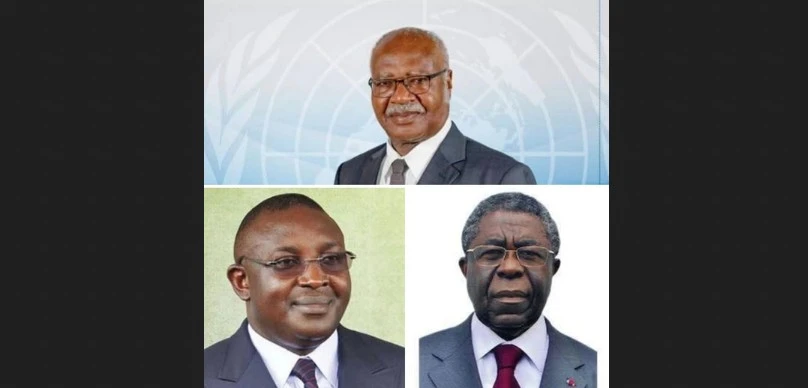
As Cameroon's National Assembly examines a bill to create a vice-presidential post, speculation is rife about who will fill it. Three Anglophone names are circulating prominently in Yaoundé's corridors of power: Philémon Yang, Peter Mafany Musonge, and Paul Elung Che.
Unlike an election, the vice-president will be appointed by the President of the Republic, Paul Biya. This appointment is stirring internal struggles between different political clans.
According to some sources, the Nanga clan, supported by First Lady Chantal Biya and Minister Ferdinand Ngoh Ngoh, favors the candidacy of Philémon Yang, former Prime Minister. A tacit agreement would allow him to accede to the post before ceding it later. On the other side, the Bulu clan, including figures such as Mvondo Ayolo, Motaze, and Frank Biya, would support Peter Mafany Musonge or Paul Elung Che, the current Deputy Secretary General of the Presidency, the latter being at odds with Ngoh Ngoh.
Philémon Yang, born on June 14, 1947, served as Prime Minister of Cameroon from 2009 to 2019. Before that, he held various ministerial and diplomatic posts, including that of Cameroon's ambassador to Canada for over 20 years. Peter Mafany Musonge, born on December 3, 1942, was also Prime Minister from 1996 to 2004. An engineer by training, he held various management positions in public companies before entering politics. As for Paul Elung Che, born on October 10, 1968, he is the current Deputy Secretary General of the Presidency. He rose through the ranks of the Ministry of Finance before being appointed to his current position.
Alongside these maneuvers for the vice-presidency, Ibrahim Talba Malla, Minister Delegate in charge of Public Markets, is said to be in the running for the post of Prime Minister, a decision that could reflect a desire for geographical rebalancing in favor of a native of the Far North.
The appointment of an unelected vice-president raises questions about popular participation and democratic legitimacy in Cameroon's political transition process. The outcome of these clan rivalries will largely determine the country's political future.
Cameroon is preparing for the presidential election in October 2025, a stress test for the country's stability. Frustrations with the ruling party, restrictions on dissent, armed conflict and ethnic tensions all pose challenges.