
Cameroon is currently grappling with a persistent energy crisis, characterized by frequent power cuts and strains on electricity production, affecting both households and businesses. In response, the Cameroonian government is intensifying its efforts to attract investments in the energy and water sectors.
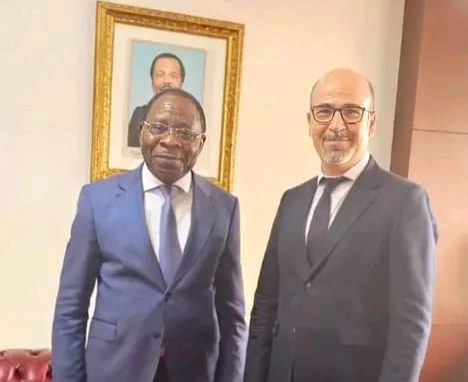
In this context, the Minister of Water and Energy, Gaston Eloundou Essomba, met with Ramon Ynaraja, Head of the European Investment Bank's (EIB) Regional Representation for Central Africa, in Yaoundé on March 2, 2026. This meeting underscores Cameroon's commitment to strengthening its partnership with the EIB to modernize its energy sector.
The discussions focused on projects already financed or co-financed by the EIB in the water and energy sectors. The government's strategic priorities include the development of hydroelectric dams, the strengthening of electricity transmission and distribution networks, and the improvement of access to potable water. These initiatives aim to stabilize the energy supply and reduce power cuts that penalize the economy and the population.
Ramon Ynaraja reaffirmed the EIB's commitment to supporting Cameroon in the implementation of new structuring projects. For MINEE, this collaboration is essential to mobilize concessional financing and accelerate the modernization of the sector. The EIB has already invested heavily in African projects, with €3.1 billion committed in 2025, a significant portion of which is allocated to climate action and environmental sustainability.
The Cameroonian government is relying on strengthened international cooperation to ensure a sustainable transformation of its electricity system. The goal is to reach a production capacity of 5,000 MW by 2035, in order to meet the country's energy needs and consider exporting to neighboring countries.
Despite the commissioning of the Nachtigal hydroelectric power plant in March 2025, which added 420 MW to the grid, problems persist due to shortcomings in investment planning and bottlenecks in the network. The situation is weakened by payment arrears from ENEO and the State to Nachtigal Hydro Power Company (NHPC), which undermines investor confidence.
Cameroon also aims to reduce the electricity bill of public buildings by 10% in 2026 through the National Energy Efficiency Program (Proname). Measures include improving the quality of billing, reducing technical losses, and promoting energy efficiency practices.
Faced with these challenges, Cameroon is striving to diversify its energy sources, including exploiting its natural gas reserves and developing renewable energies. Improving management and transparency in the energy sector is also essential to ensure sustainable development.
Collaboration with the EIB represents a crucial opportunity for Cameroon to overcome the energy crisis and build a more stable and sustainable energy future.