
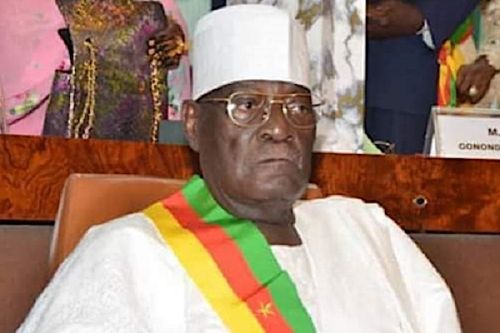
The political scene in Cameroon's Far North is undergoing significant change, potentially marking a decline in the influence of Cavaye Yéguié Djibril, a dominant figure in the region for decades. As Head of the delegation of the Cameroon People's Democratic Movement (RDPC) in the Far North and former President of the National Assembly, Cavaye's grip is weakening as the next legislative elections approach, paving the way for a redistribution of political power.
His potential removal raises many questions about the political future of this region, traditionally structured around a few key figures. Some observers believe it would be difficult for him to settle for a role as a simple deputy, given his significant authority and political weight. A non-endorsement by the RDPC would therefore not be a surprise, especially as voices are being raised in favor of rejuvenating the local political establishment.
This context of restructuring could benefit new ambitions, both within the RDPC and in the opposition parties. Figures who have remained in the shadows could seize the opportunity to assert themselves, while the weakening of a dominant figure could revitalize political debate and encourage new electoral strategies. The political youth of the Far North, particularly that of Mayo-Sava, sees this period as a unique opportunity to make its voice heard and to reshape the contours of local political leadership.
The Far North region, the most populous in Cameroon, is characterized by its ethnic diversity and socio-economic challenges. It is an area where political balances often seem frozen, but where aspirations for change are becoming increasingly pressing. The evolution of Cavaye Yéguié Djibril's political situation could therefore mark an important turning point for the future of this region.
While Cavaye Yéguié Djibril has long embodied a figure of political stability in the Far North, his influence is now being questioned. His potential withdrawal from the political scene could open a new era, marked by increased competition and the emergence of new leaders. The political future of the Far North will therefore be played out in the upcoming elections, where ambitions and strategies will be revealed.