

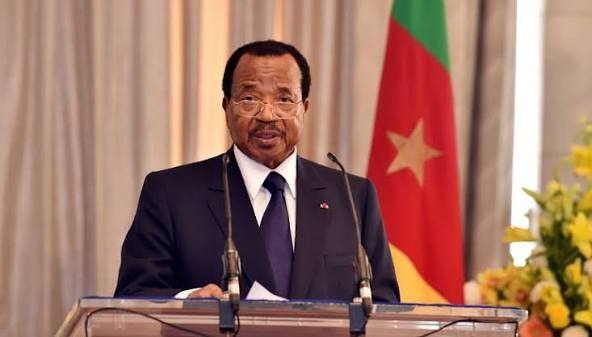
As the March parliamentary session progresses, rumors of an imminent constitutional revision in Cameroon persist, although no official procedure has been initiated. These speculations, fueled by unofficial text excerpts circulating online, suggest potential changes such as the creation of a vice-presidential post and the reduction of the presidential term to five years, renewable once.
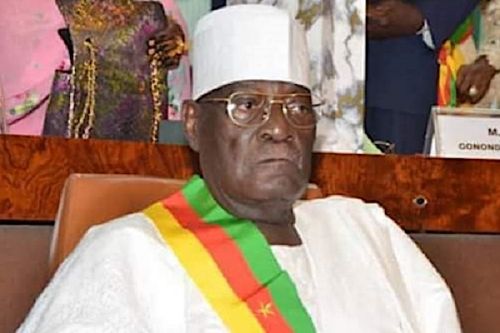
However, official sources remain silent on the matter. No revision initiative has been reported by the presidency, parliament, or any other authorized institution. The parliament's attention is currently focused on the bill to extend the term of deputies in the National Assembly.
This extension is generating debate, with some seeing it as a political maneuver. Initially scheduled for March 10, 2025, the elections have already been postponed once. The new proposal aims to extend the deputies' mandate until December 20, 2026, in order to synchronize the legislative and municipal elections.
The government justifies this postponement by financial constraints and the need for better preparation for the elections. Article 15(4) of the 1996 Constitution authorizes such an extension in the event of a serious crisis or exceptional circumstances, after consulting key state institutions.
The announcement of this postponement has provoked mixed reactions. While some highlight the economic rationality of the measure, others are concerned about a potential erosion of democratic principles and a normalization of mandate extensions. One observer described the bill as a "test of our commitment to democracy".
Meanwhile, the Cameroonian parliament remains focused on its legislative agenda, with the highlight being the organization of the 51st plenary session of the Parliamentary Assembly of the Francophonie (APF) in July 2026.
The current parliamentary session is scheduled to last 30 days, potentially leaving time for the consideration of other bills.