

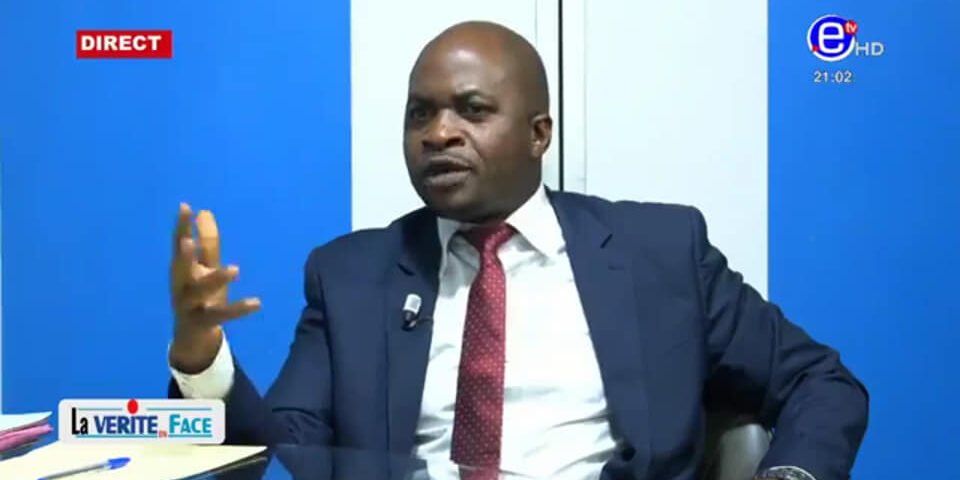
Political analyst Fridolin Nke has expressed reservations about the appointment of an Anglophone as Vice President of Cameroon. This statement comes amid heated discussions regarding the new law adopted by the Cameroonian Parliament, re-establishing the position of Vice President, a function that had not existed since 1972.
In a post on his Meta page dated April 9, 2026, Nke stated: "President Paul Biya cannot appoint an Anglophone Vice President. He will be tempted to appoint his son, Franck Biya. But this position should normally go to a son of the Lékié. All these sacrifices for nothing, for nothing!". His words highlight the issues of regional and ethnic representation in the race for the vice presidency.
The adoption of this law has generated numerous reactions. Parliament approved the constitutional amendment in early April 2026, with 200 votes in favor, 18 against, and 4 abstentions. This reform allows President Paul Biya, 93, to directly appoint his vice president, who will ensure the continuity of the state in the event of a vacancy of power.
While the Cameroonian government presents this measure as a guarantee of institutional stability, the opposition sees it as a maneuver to strengthen President Biya's power and prepare a controlled succession. Critics believe that this law, by giving the president the power to appoint and dismiss the vice president at will, compromises democratic principles.
Fusi Namukong, a member of the Social Democratic Front (SDF), told The Associated Press that this law paves the way for a monarchy. The Cameroon Bar Association has also expressed concerns, believing that this amendment erodes the democratic legitimacy of the presidency.
The appointment of the future vice president is therefore a subject of intense debate in Cameroon, crystallizing the political tensions and power issues surrounding the succession of Paul Biya, who has been in power since 1982. Speculation is rife as to the identity of the person who will occupy this key position, and statements by personalities such as Fridolin Nke contribute to fueling discussions.
Pending the promulgation of the law by the Head of State, all eyes remain on Paul Biya, whose decision will shape the political future of Cameroon. Whether the next vice president will be Anglophone or from another region of the country remains a major issue in current debates.