


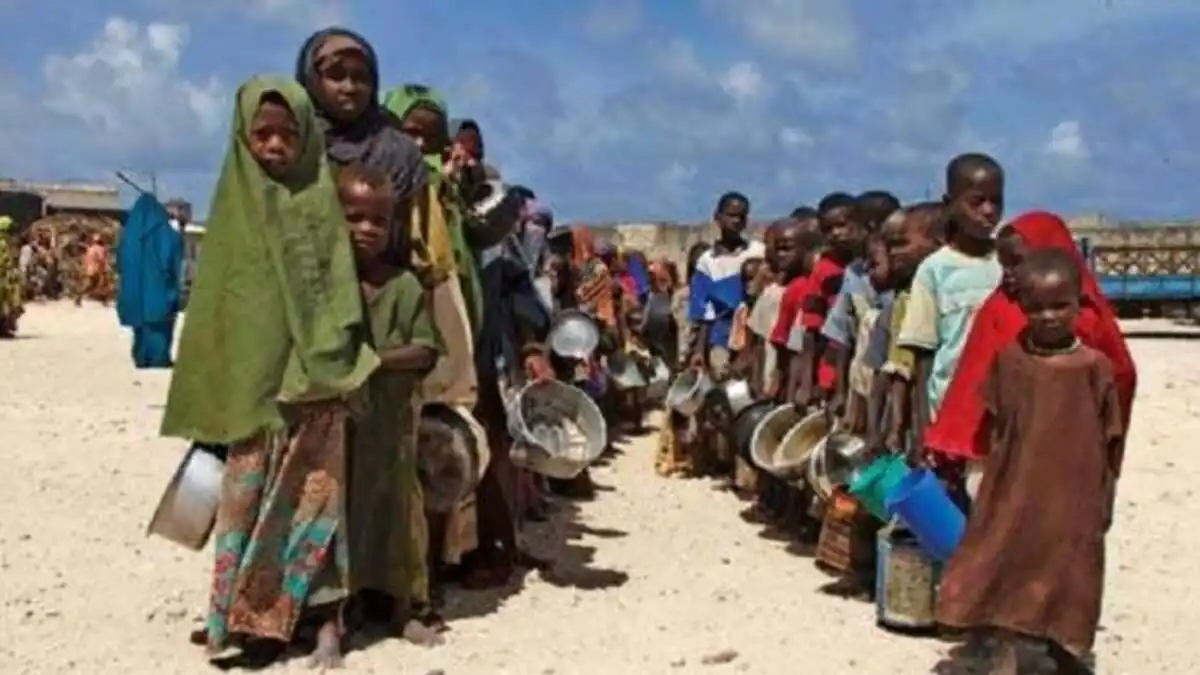
Thousands of families in Cameroon's Far North region are facing increasing food insecurity, exacerbated by the prolonged conflict in the area. Disruptions to agricultural and pastoral production, the primary sources of income for poor households, are limiting food availability and economic opportunities.
According to data published on February 24, 2026, by the United Nations Office for the Coordination of Humanitarian Affairs (OCHA), food security is expected to deteriorate in the Logone-et-Chari, Mayo-Sava, and Mayo-Tsanaga departments. These areas, already weakened by conflict, could move from a level of "Stress" to "Crisis" between February and May 2026.
OCHA attributes this decline to the rapid depletion of food stocks, low incomes limiting the purchase of basic necessities, persistent insecurity, continuous displacement of populations, and a reduced capacity for adaptation among the population. Data from the Armed Conflict Location and Event Data Project (ACLED) confirms the persistence of attacks by Islamist groups against rural communities throughout 2025 and into 2026.
While off-season harvests may bring temporary relief, displaced households and the most vulnerable groups remain dependent on markets. With limited access to agricultural land, many households may adopt harmful coping strategies, such as reducing meal size and frequency, or decreasing non-food expenditures. The UN agency anticipates that some of these households could even find themselves in an "Emergency" situation at least until May 2026.
The affected populations face limited access to food due to income loss from disrupted livelihoods, restricted market and trade route operations, and persistently high prices for essential goods. The Far North region of Cameroon was already the poorest in the country before the Boko Haram insurgency, with 74% of the population living below the poverty line.
In 2024, the region experienced its worst floods in two decades, affecting 459,000 people and displacing 135,000. More than 829,000 people faced severe food insecurity. Humanitarian partners have warned that worsening food insecurity is linked to severe funding shortages. In 2025, only 19% of the funding needed to respond to food insecurity was mobilized.
Faced with this situation, initiatives are being implemented to strengthen the resilience of the population. Thanks to the Central Emergency Response Fund (CERF), climate-resilient shelters have been built with the participation of displaced families, helping to better protect communities against future floods, while restoring protection and dignity.