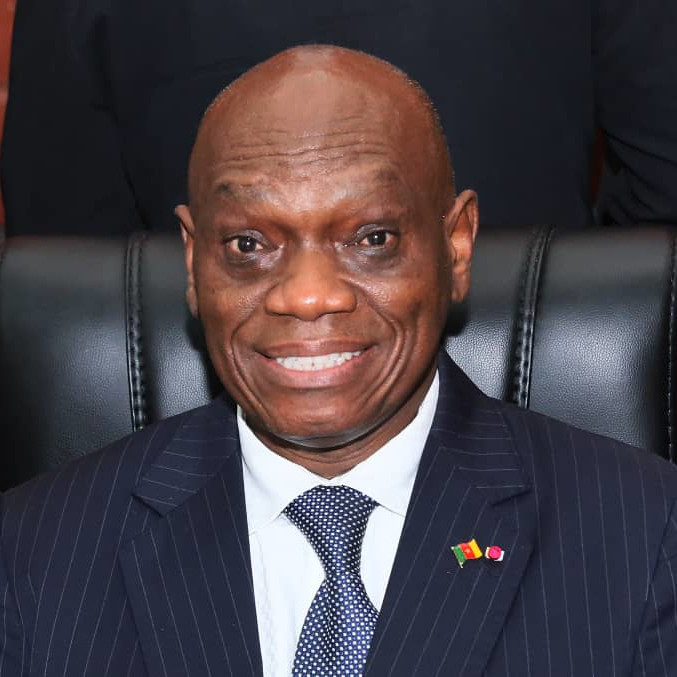


In Cameroon, the renewal of emblematic figures in Parliament raises the crucial question of the succession of President Paul Biya. Following the departure of Cavaye Yeguie Djibril from the National Assembly and Marcel Niat Njifenji from the Senate, the newly elected officials, Théodore Datouo and Aboubakary Abdoulaye, Lamido of Rey-Bouba, are taking office in a particular political context.
These changes at the head of the two chambers, which took place in March 2026, mark an important step in the Cameroonian political landscape. Théodore Datouo, an experienced executive of the CPDM, succeeds Cavaye Yeguie Djibril in the National Assembly, while Aboubakary Abdoulaye replaces Marcel Niat Njifenji in the Senate. Their predecessors, both nonagenarians, left their positions due to their advanced age, paving the way for a new generation of leaders.
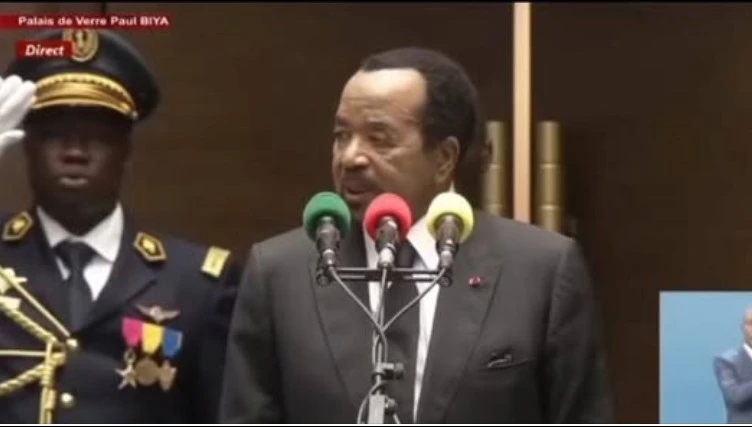
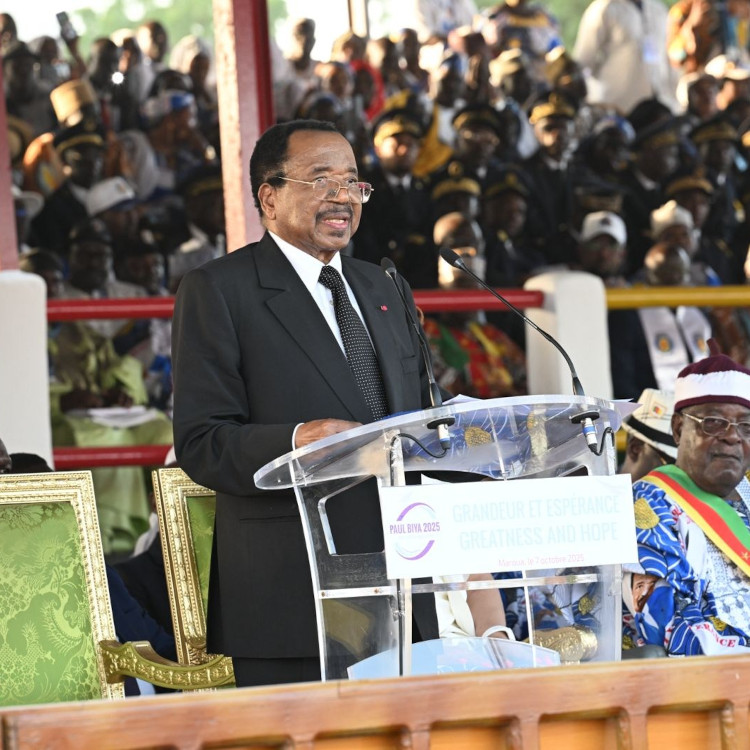
While these appointments ensure a certain continuity, they also raise questions about the political future of Cameroon. The question of the succession of Paul Biya, 93 years old, is becoming increasingly pressing. The new presidents of the parliamentary chambers could play a key role in a possible constitutional transition, in a context where the Head of State has not clearly designated a successor.
These changes come at a time when Cameroon is facing major challenges, including the preparation for elections and the management of current affairs. Théodore Datouo and Aboubakary Abdoulaye will have to demonstrate leadership and the ability to unite in order to carry out their missions successfully. Their actions in the coming months will be decisive for the country's political future. Attention remains focused on the question of who will take over at the head of the Cameroonian State.
The absence of a succession plan clearly defined by Paul Biya fuels speculation and uncertainty about the political future of Cameroon. Some observers believe that these changes in Parliament could be the precursors of a broader transition, while others remain cautious about the real scope of these movements. One thing is certain: the question of Paul Biya's succession remains at the center of concerns and will continue to shape the Cameroonian political landscape in the years to come.