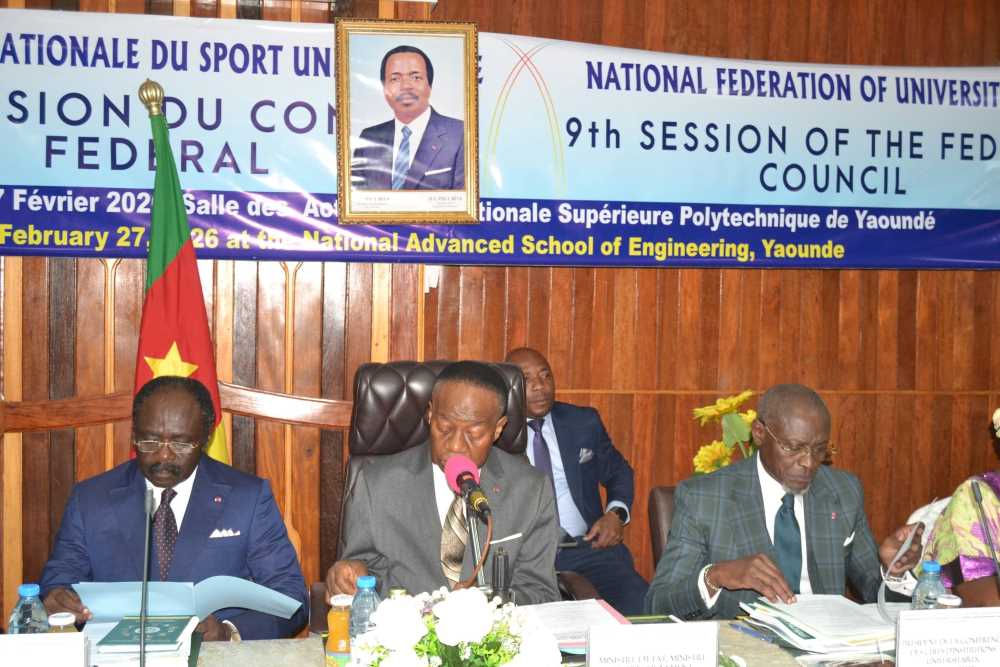


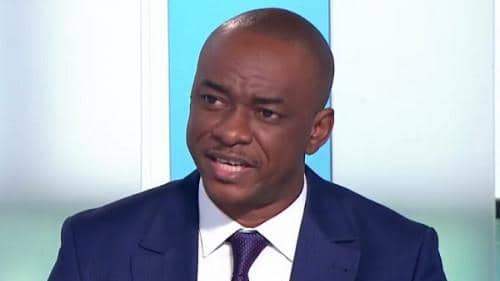
The term of Cameroonian deputies has been extended until December 20, 2026, a decision that has sparked strong reactions. Cabral Libii, a Member of Parliament and president of the PCRN, has raised questions about the absence of a formal vote during the adoption of the law extending the term of deputies in the National Assembly.
According to Libii, during the debates in the National Assembly, four main positions emerged: those who considered the extension a mere formality given previous electoral precedents, those who were in favor, those who opposed it out of respect for the law, and those who contested the justifications put forward. He questions the absence of an actual vote on the law.
Libii asks whether images or archives show votes for and against the extension, and whether the overall result of the vote is known. He points out that the internal regulations provide for a vote, and questions the reasons for its absence. He suggests that the insistence of some deputies on the issue stems from political, ideological, or political posturing.
The government justifies this extension by budgetary constraints, the logistical incapacity of Elecam (the body in charge of elections), and the need to repair the aftermath of the post-election crisis of 2025. The Minister Delegate to the Presidency in charge of Relations with Institutions, François Wakata Bolvine, stated that this extension would allow the continued search for resources to finance electoral operations.
However, the opposition denounces a violation of the constitution. Patricia Tomaïno Ndam Njoya, president of the UDC, criticizes the lack of legitimacy of institutions where the representatives are no longer those the Cameroonians would have chosen. Dieudonné Tedjisse, an analyst, believes that this extension demonstrates the government's inability to respond to the concerns of the people.
This extension of the deputies' term is the second consecutive one, after that of 2025. Article 15 of the Constitution is at the heart of the debate, with the opposition accusing the executive of distorting its spirit. The Rally for Development and Defense of the Republic of Cameroon (RDDRC) deplores a violation of paragraph 1 of this article, which sets the term of office for deputies.
In the meantime, Cabral Libii calls for intellectual rigor, stressing that it is inaccurate to state that such and such a deputy voted for or against, since there was no vote.
The adoption of this law without a formal vote continues to fuel public debate and raises questions about the functioning of the parliamentary process in Cameroon. The date of the next legislative elections has not yet been announced.