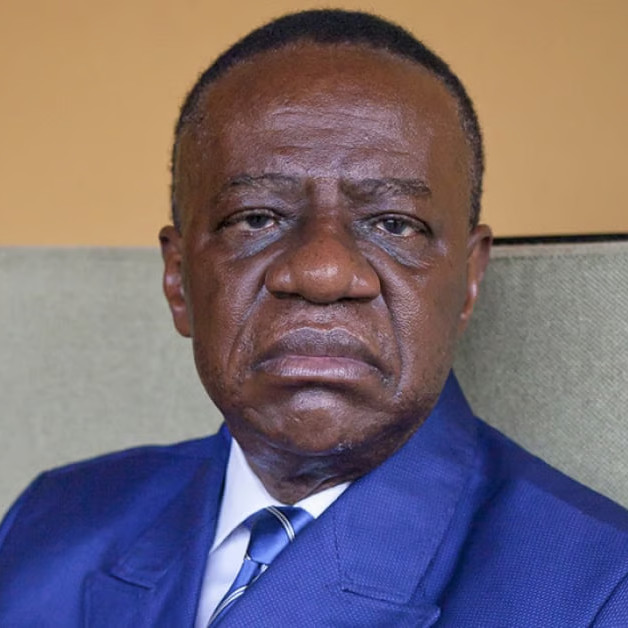


The recent adoption by the Cameroonian parliament of a constitutional reform creating a vice-presidential post continues to generate strong reactions. Valère Bessala, leader of the Jouvence party, denounces this as a challenge to democratic principles, pointing to the method of designating the future vice-president.
Bessala criticizes the fact that, unlike the period before 1972 when the vice-president was elected at the same time as the president, the current proposal provides for appointment by the head of state. He considers this development a break with democratic tradition, excluding the people from the designation process and concentrating more power in the hands of the executive.
Valère Bessala draws a comparison between Paul Biya and former president Ahmadou Ahidjo, praising the latter for structuring the state and anticipating his succession. He believes that the current trajectory deviates from this legacy, fueling an already intense political debate surrounding the institutional reform.
The constitutional reform, examined by parliament on April 2, 2026, introduces the post of vice-president, who would be appointed directly by the president and not elected by the people. This amendment affects several articles of the 1972 Constitution, which was already revised in 1996 and 2008.
According to its detractors, by appointing the vice-president himself, Paul Biya, who is 93 years old and has been in power since 1982, is granting himself the right to choose his successor, thus circumventing the popular vote. The Social Democratic Front (SDF) has formally rejected the bill, denouncing an "undemocratic" process and insisting on the election of a single presidential ticket.
Previously, in the event of a presidential vacancy, the President of the Senate served as interim leader until elections were organized. Now, the vice-president would automatically complete the current presidential term, without an election. This measure raises concerns about the democratic legitimacy of the future leader.
On April 4, 2026, the Cameroonian parliament adopted the constitutional amendment with 200 votes in favor, 18 against and 4 abstentions. According to the authorities, this reform aims to prevent any institutional crisis linked to a possible vacancy of power. The opposition sees it as a maneuver to consolidate power and closely control the succession to the head of state.
As Paul Biya begins his eighth term, this constitutional reform raises questions about the democratic future of Cameroon.