

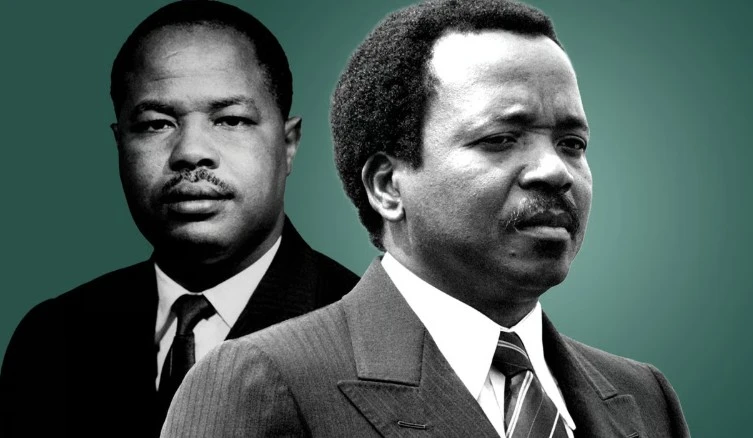
An analysis by Ousmanou Magadji, an observer of the Cameroonian political scene, is sparking lively discussions in Cameroon. His text revisits the succession between Ahmadou Ahidjo and Paul Biya, highlighting what he considers to be an "institutionalized tribalism". Magadji argues that Ahidjo, in choosing Biya as his successor, hoped for national integration, believing him to possess a "republican perspicacity". This perspective reignites an essential debate on national unity and the alternation of power.
At the heart of Magadji's analysis lies the question of national integration. He suggests that Ahidjo, influenced by an assimilation logic specific to Peul culture, wished to overcome ethnic divisions by entrusting power to Paul Biya, a Beti. This decision, according to Magadji, aimed to ensure a republican continuity based on the "mixing of peoples and an inclusive administration".
Magadji, however, criticizes the subsequent events, asserting that this vision of integration was not maintained by Biya after his accession to power in 1982. He points out the predominance of personalities from the same ethnic group in the presidential entourage, evoking a possible disappointment on Ahidjo's part. The analysis also places this succession in the context of the coup attempts of the 1980s, a period of political instability in Africa.
The author insists on the necessity of overcoming tribalism to build a more inclusive Cameroon. He calls for a republican reflection on the accession to power of personalities from other regions or ethnic groups, not as an identity claim, but as a symbol of national unity.
"Ceding power should not be perceived as a loss," Magadji states, advocating for institutions that are representative of the country's cultural diversity. This stance comes in a context where discussions on governance, unity, and representativeness remain sensitive subjects. In 2019, Cameroon adopted a law against tribalism and hate speech, a sign of growing concern about this phenomenon. Violators face imprisonment and/or a fine.
Magadji's analysis is part of a historical and political perspective, encouraging reflection on the democratic future of Cameroon. His insightful observations revive a crucial debate on reconciliation and the need for equitable governance that is representative of all components of the nation. According to François Bambou, president of the association One Nation, impunity fuels tribalism and hate speech in Cameroon. He emphasizes that tribalism is used as a mechanism to fracture society and weaken national unity.