

Since April 4, 2026, Cameroon has been at the center of a heated debate regarding the re-establishment of the vice-president position. The National Assembly approved the bill with a majority of 200 votes, but the method of appointing the vice-president is drawing strong criticism.
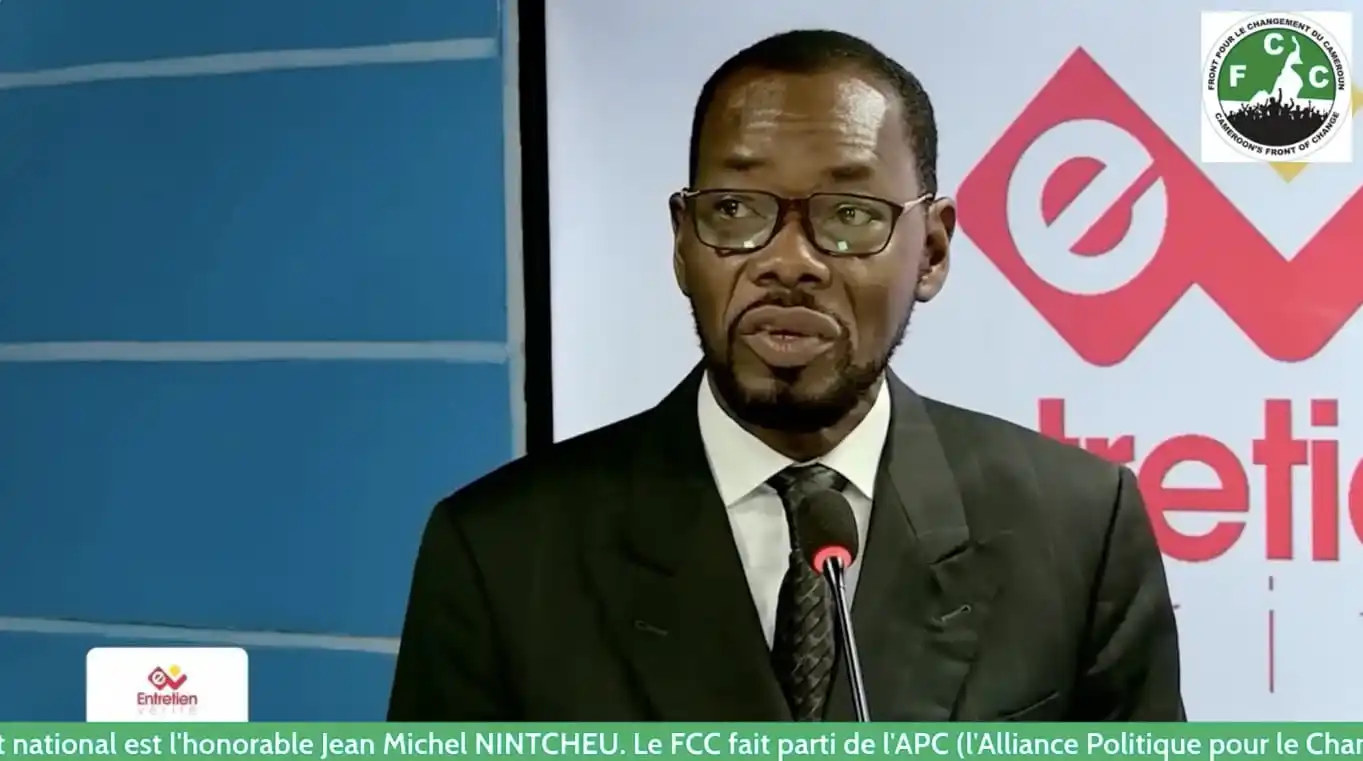
Me Emmanuel Simh, a leading figure in the Movement for the Renaissance of Cameroon (MRC), strongly opposes this reform. He questions the legitimacy of a vice-president who is appointed rather than elected, emphasizing that this approach deprives the Cameroonian people of their right to choose their future leader. He questions the ability of an appointed person to replace the president without having been elected by the people.
"Cameroonians do not understand that the President of the Republic, tomorrow, can appoint his replacement, who could be president for the rest of his term without being an elected personality. Only people from the CPDM can say such things, but I think they themselves do not believe it," declared Me Emmanuel. He suggests that a referendum would have been necessary to assess the true popular support for this reform.
The constitutional reform stipulates that the vice-president is appointed and dismissed by the president. In the event of a vacancy of power, he would complete the presidential term. This change replaces the old system where the president of the Senate would assume the interim role and organize an election within 20 to 120 days.
This reform has generated mixed reactions. Supporters of the CPDM emphasize the continuity of the state and institutional stability. The opposition, like Me Emmanuel, denounces a "democratic coup". Maurice Kamto, leader of the MRC, has launched a petition against this constitutional review.
The creation of this position comes in a context where the issue of presidential succession is a recurring topic of debate in Cameroon. As the bill has yet to be promulgated by President Biya, discussions continue on the implications of this reform for the country's political future. The coming weeks will be decisive in observing the evolution of the situation and the reactions of the various political actors and civil society.