

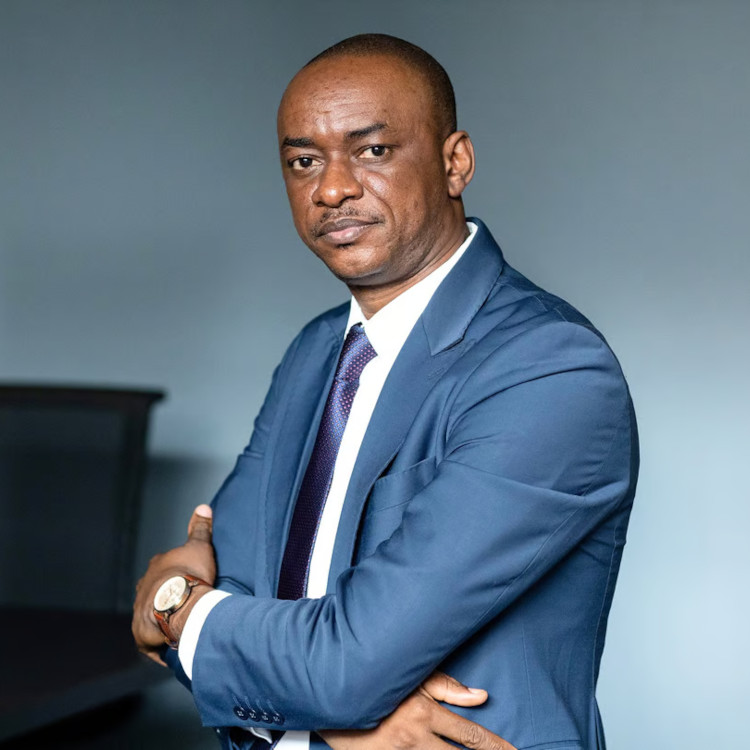
In a hard-hitting analysis, MP Cabral Libii, President of the Cameroonian Party for National Reconciliation (PCRN), offers a nuanced perspective on tribalism in Cameroon. According to him, real tribalism is less widespread than is commonly believed, an assertion that contrasts with the prevailing discourse.
Libii does not simply contradict the general opinion. He offers a precise definition of tribalism, distinguishing it from a simple preference for one's own community. For him, tribalism implies an exclusive loyalty to one's ethnic group, accompanied by a deliberate intention to harm others in order to favor one's own. This distinction is crucial: having a preference for one's origins is natural, but tribalism manifests itself through hatred, premeditated hostility and systematic exclusion.
Illustrating his point with concrete examples, Libii explains that recruiting members of one's tribe into one's company is not necessarily tribalism, unless it is accompanied by a desire to destroy the skills of those from other ethnic groups. Similarly, supporting a political leader from one's own ethnic group is a personal choice, but becomes tribalism if it leads to defaming competitors from other tribes.
Applying this rigorous definition to Cameroonian society, Cabral Libii concludes that proven tribalism concerns only a minority of Cameroonians. Most citizens, regardless of origin, live peacefully on a daily basis. While natural preferences exist, they do not turn into systematic hostility. True tribalists are therefore easily identifiable because they are few in number.
This analysis calls for a refocusing of the national debate. Rather than denouncing an omnipresent tribalism, Libii encourages people to overcome stereotypes and get to know each other better. He stresses the responsibility of political actors in building sustainable social balances, by valuing diversity. In the short term, this approach helps to de-dramatize a subject that is often exploited, by recalling that peaceful coexistence is the majority reality. In the long term, it paves the way for public policies focused on integration and the construction of an inclusive national project. It remains to be seen whether this discourse will ease tensions and encourage a more constructive debate on tribal issues in Cameroon.