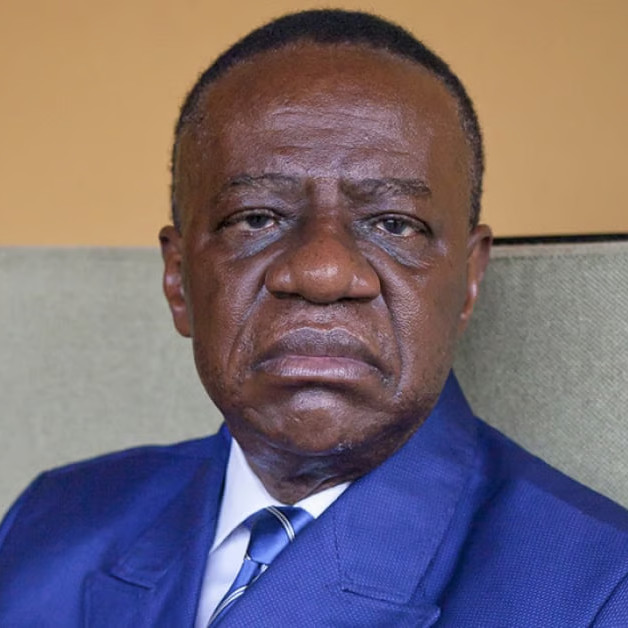


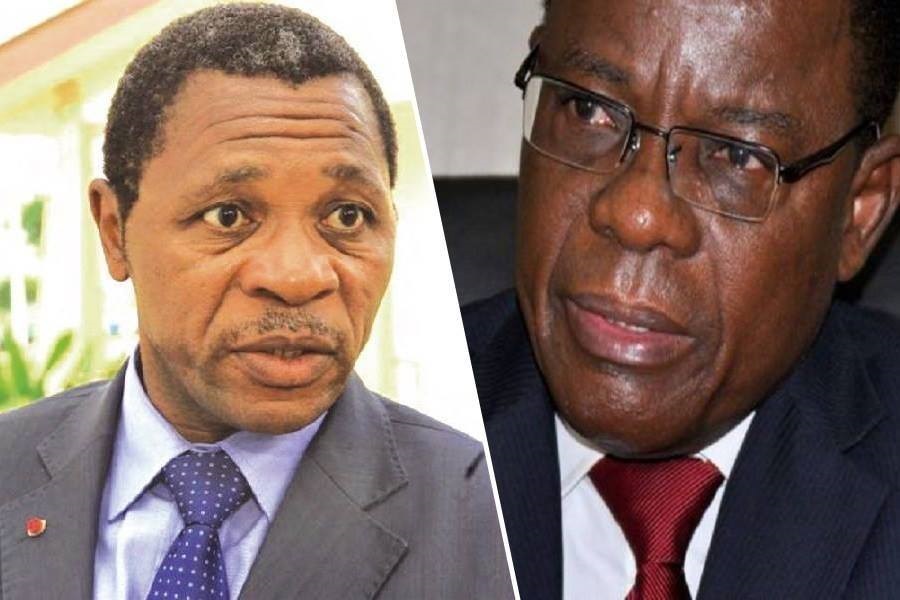
Cameroonian opposition leader Maurice Kamto has challenged the Minister of Territorial Administration, Paul Atanga Nji, regarding his methods of managing the pre-election period, while also reviving the debate on the creation of a vice-presidency in Cameroon. During a press conference held in Yaoundé this Thursday, April 9, 2026, Kamto accused Atanga Nji of applying a partial and unequal treatment, demanding that the minister show the same rigor towards the Head of State, Paul Biya, as he has shown towards him.
Kamto denounced the dissemination of a video of his political statements during an alleged meeting with regional governors, comparing this action to a "manhunt". He sees it as an attempt to politically discredit him, particularly by recalling his positions on the boycott of legislative and municipal elections. The opponent insisted that Paul Atanga Nji should also examine President Biya's past positions regarding the lack of designation of a political successor.
This media outing by Maurice Kamto comes in a tense political context, marked by lively discussions surrounding the project to create a vice-presidency appointed by the Head of State. Kamto strongly opposes this constitutional reform, considering it an attack on democratic principles and a maneuver to consolidate power. He has launched a petition to mobilize public opinion against this project.
The proposal to create a vice-presidency was adopted by the Cameroonian Parliament on April 4, 2026, with 200 votes in favor, 18 against, and 4 abstentions. This constitutional reform modifies the rules of presidential succession and grants President Biya, 93, the power to appoint and dismiss the vice-president. Government supporters present this reform as a means of strengthening institutional continuity and avoiding a crisis in the event of a power vacuum.
Maurice Kamto, a leading figure in the Cameroonian opposition and former presidential candidate, criticizes this initiative as belated and sees it as a consolidation of presidential power. He had already denounced in April a "republican monarchy".