

The National Assembly of Cameroon has been operating without a legitimate mandate for over a year, a situation that, according to the opposition, hinders democratic debate and blocks any significant transformation of the political system.
On March 18, 2026, the Democratic Union of Cameroon (UDC) issued a statement criticizing what it considers a mere "election" of the new leaders of the two houses of Parliament. For the UDC, these changes of personnel do not represent a real alternative, but rather the maintenance of a system locked in place by the executive for more than forty years. This statement comes in a context of high abstention and popular distrust of institutions.
The UDC emphasizes that the deputies' mandate expired in 2024, and that its extension by the ruling power, as well as the non-respect of the electoral calendar, have contributed to disengaging citizens from the democratic process. This situation has created a crisis of legitimacy within the National Assembly, which is supposed to represent the people and control government action.
In theory, the National Assembly holds legislative power and control over the executive. However, in practice, the parliamentary majority is often subject to the discipline of the ruling party rather than the defense of national interests. This leads to a situation where most of the laws passed come directly from the government, turning the deputies into a mere recording chamber.
The UDC calls for institutional reform and credible elections, emphasizing the need for the opposition to unite to embody a real alternative. The party invites civil society, young people and women to play a central role in this rebalancing, in order to build a new majority capable of taking the reins of Parliament and initiating lasting structural transformations.
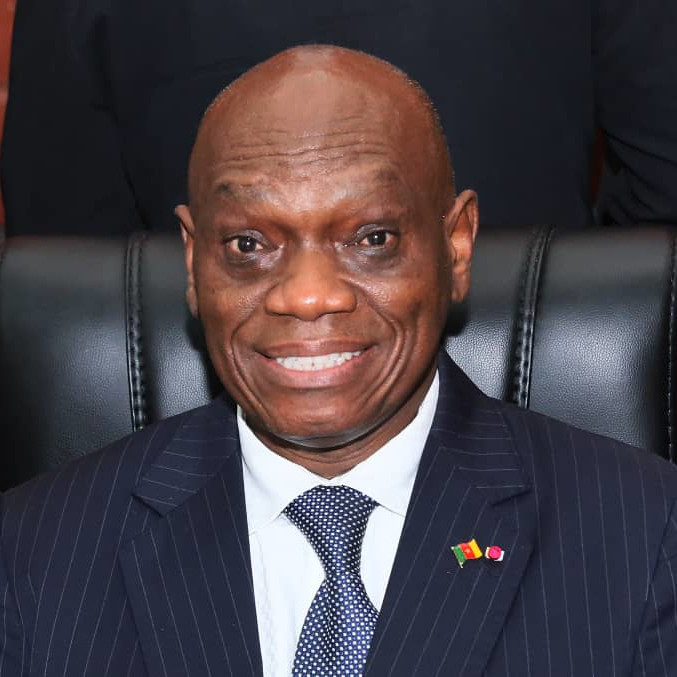
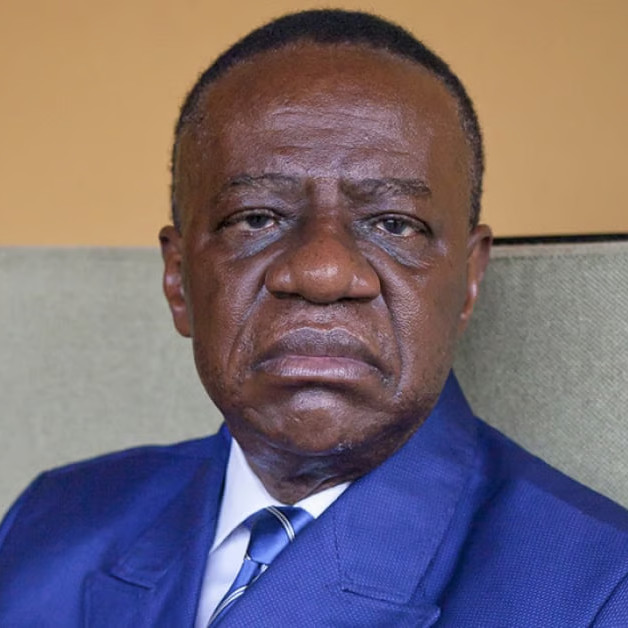
In the short term, this institutional paralysis hinders the adoption of crucial reforms for the development of Cameroon. In the long term, the very survival of the Cameroonian democratic model is at stake. The UDC says it is ready to collaborate with all those who share this vision, but it remains to be seen whether the other opposition forces and civil society will manage to unite to transform this ambition into a collective dynamic. On March 17, 2026, an unprecedented renewal took place at the top of Parliament, with Theodore Datouo replacing Cavaye Yeguié Djibril in the National Assembly and Aboubakary Abdoulaye succeeding Marcel Niat Njifenji in the Senate. These changes, orchestrated by the Central Committee of the CPDM, mark a symbolic break and pave the way for a major political recomposition.