In Cameroon, the project to revise the 1996 Constitution is no longer a mere rumor. Sources reveal that the technical work has been finalized, and an implementation schedule is taking shape, free from electoral constraints.
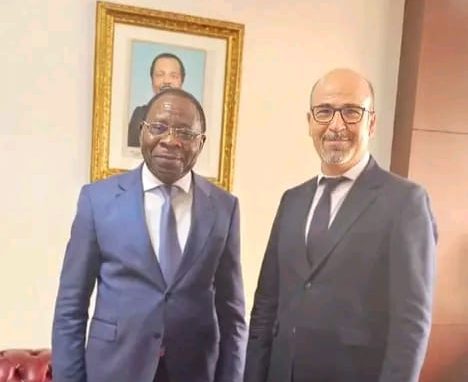
Led by Ferdinand Ngoh Ngoh, Secretary General of the Presidency, and a small circle of legal experts, including Jean-Claude Awala Wodougué, the text aims to thoroughly overhaul the state's architecture. This revision is a continuation of the decentralization initiated in 2019, with an increase in the number of parliamentarians and an administrative redistribution creating new municipalities.
The end of the electoral calendar, since the presidential election of October 2025, gives the Cameroonian presidency room to maneuver to activate the constitutional lever without immediate political pressure. The stated objective is to adapt the institutions to current realities, but some observers see it as a desire to secure the state apparatus in the face of future uncertainties.
The creation of a post of Vice-President of the Republic, appointed and not elected, is at the center of discussions. This change would break with the current interim period ensured by the President of the Senate, reinforcing the presidential logic of the regime. At the same time, the minimum age to run for president (35 years) and the term of office (seven years) could be reduced.
The opening of the Electoral Code is also being considered to revise voting procedures, a concession mentioned in the context of a political dialogue. On the other hand, the sensitive issue of dual nationality is, for the time being, excluded from the project.
Article 63 of the Constitution could be activated for rapid adoption in Parliament. A three-fifths majority will be required. In the short term, this reform aims to broaden the base of the regime and integrate more actors into the institutions. In the long term, the creation of a vice-president raises the question of succession and the continuity of the State.
Is this an instrument of institutional modernization or a maneuver to manage the transition to come? The answer to this question will determine Cameroon's political stability for the next decade.