

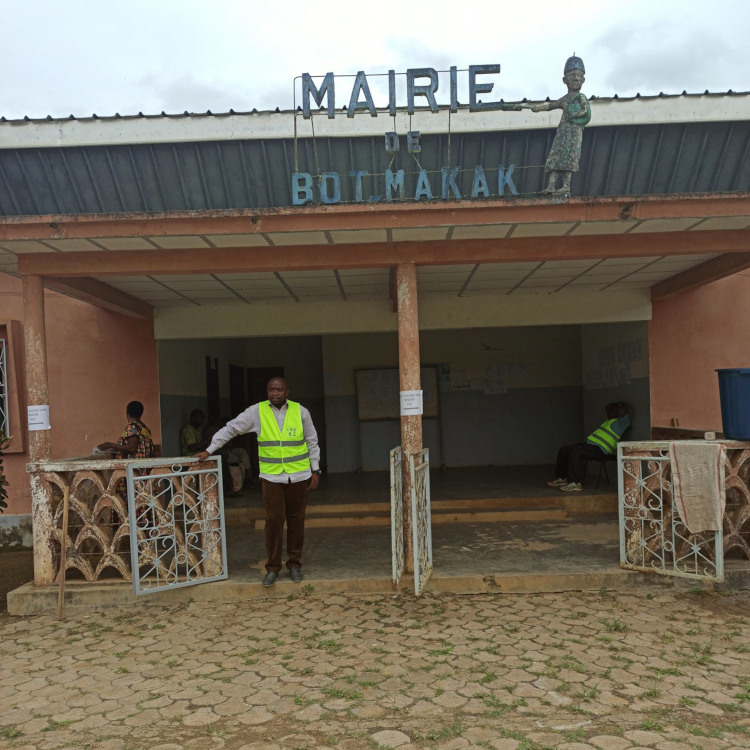
The Cameroonian government has submitted a bill to the National Assembly to amend the electoral code, removing the limits on the extension of municipal mandates. This targeted revision of Article 170 of Law No. 2012/001 of April 19, 2012, which set a maximum extension of eighteen months, raises concerns about an institutional lock-up and a potential crisis of confidence between the government and the population.
The bill maintains the principle of renewing municipal councils every five years, but the removal of any time limit on the extension makes this principle theoretical. The government justifies this initiative by financial and logistical constraints related to the organization of elections, but some observers see it as a political maneuver to freeze local deadlines and avoid the verdict of the polls.
Several factors could explain this reform. First, the government's fear of the results of local elections, which are more difficult to control. Second, the financial and logistical difficulties related to the organization of municipal elections, although this argument is seen as a mask concealing political motivations. Third, the desire to lock all levels of power, especially after the presidential election, with municipal elections becoming the last possible space for protest.
This amendment to the electoral code could lead to a crisis of confidence, as municipal elections are an essential ballot where citizens elect their local representatives. Indefinitely postponing these elections would amount to removing all local control, which could fuel protest and erode the legitimacy of incumbent mayors. The risk is to see local corruption and the absence of public services worsen, as mayors are no longer accountable to voters.
In March 2026, the National Assembly already passed a law extending the terms of deputies until December 20, 2026, reflecting a trend towards revising the electoral calendar for logistical and financial reasons, according to the government. However, this decision is generating debate between those who prioritize institutional stability and those who criticize the successive extensions of mandates. After the contested presidential election and the freezing of municipal elections, the question arises as to which ballots will remain credible and how the population will be able to make its voice heard.