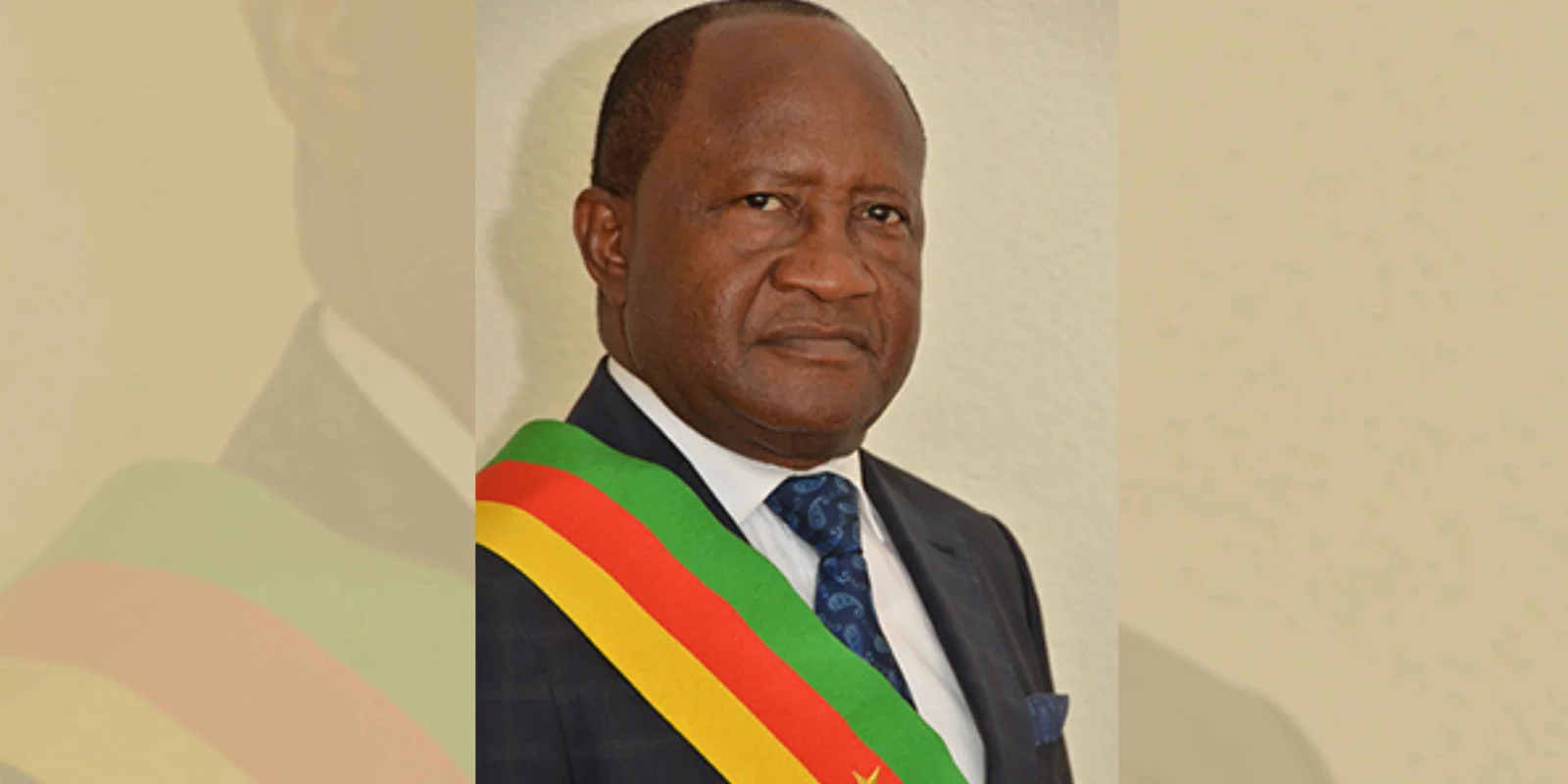
On March 28, 2026, Shanda Tonne, president of the Popular Movement for Dialogue and Reconciliation (MPDR), published a six-point analysis of the determining factors that led to the election of Théodore Datouo as president of the National Assembly of Cameroon. This election, which took place on March 17, 2026, marked a turning point after Cavaye Yéguié Djibril's 34-year reign.
According to Shanda Tonne, Théodore Datouo's rise is the result of an assiduous journey, a mastery of legislative issues and hard work crowned with success. He stresses that the suspicions and insinuations surrounding this transition are unfounded and potentially destructive to national unity.
Tonne details six key points that favored Datouo's election:
Diligence and experience: Datouo is a long-time parliamentarian, diligent and whose longevity demonstrates the confidence of his party and his positive record in the field. Trust and mentorship: Datouo has benefited from the trust of the Head of State and his predecessor, Cavaye Yéguié Djibril, who guided him and entrusted him with important responsibilities, including project management of the new National Assembly building. Double reward: His election is a recognition of both the Head of State and his mentor, under whose authority he served with loyalty and efficiency. Acknowledgements: Datouo marked his first steps by thanking the Head of State, his predecessor and his peers, demonstrating his loyalty and pragmatism. Natural transition: The transition to the National Assembly is a normal process of renewal and adaptation, which should not be interpreted as a sign of division or disorder. The image of Datouo paying tribute to his predecessor refutes malicious speculations. Respect for protocols: The transition process took place in compliance with established protocols, both materially and psychologically. Any malicious interpretation of this solemnity is misplaced.
The election of Théodore Datouo marks a new chapter for the National Assembly of Cameroon, in a political context where every institutional movement is closely scrutinized.