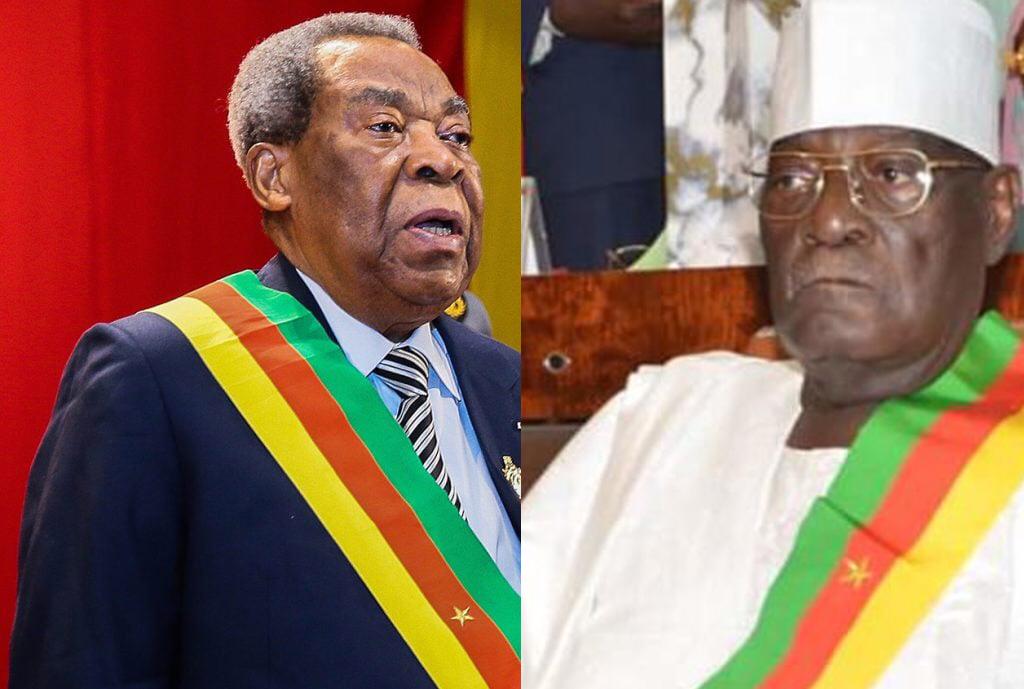
The Cameroonian Parliament experienced a major shift this Tuesday, March 17, 2026, with the replacement of the speakers of both the National Assembly and the Senate. These changes, following internal elections within the two chambers, mark the end of long periods of leadership for Cavaye Yéguié Djibril and Marcel Niat Njifendi, emblematic figures in Cameroonian politics.
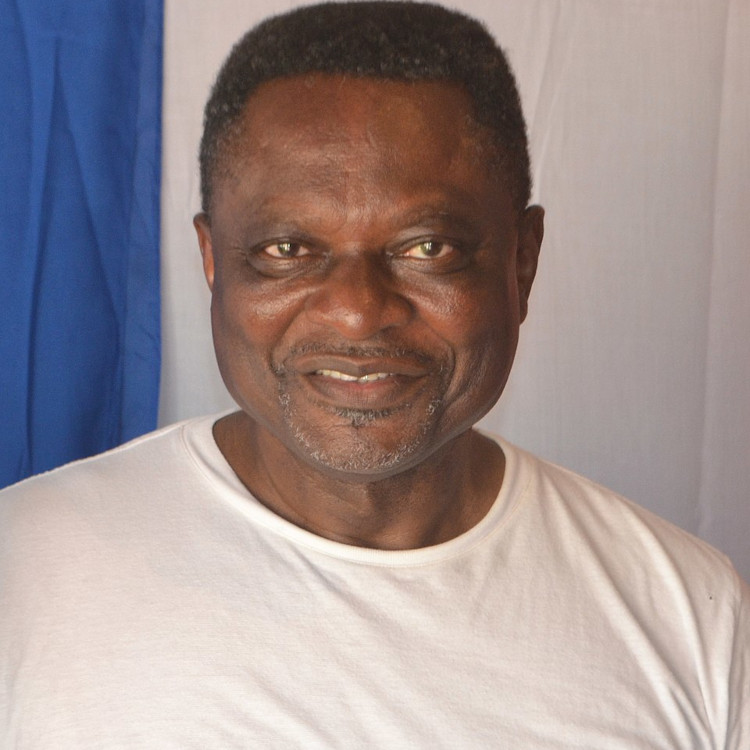
The announcement initially circulated as rumors in the early evening, concerning the National Assembly. Soon after, the news was confirmed with the election of Théodore Datouo, who until then held the position of vice-president of the institution. According to parliamentary sources, Datouo, originally from the West region, won the election with an overwhelming score of 90.47% of the votes.
Théodore Datouo thus succeeds Cavaye Yéguié Djibril, who presided over the National Assembly for more than three decades. His departure marks the end of an era for this institution, where he played a central role in the adoption of numerous laws and durably influenced the country's parliamentary life.
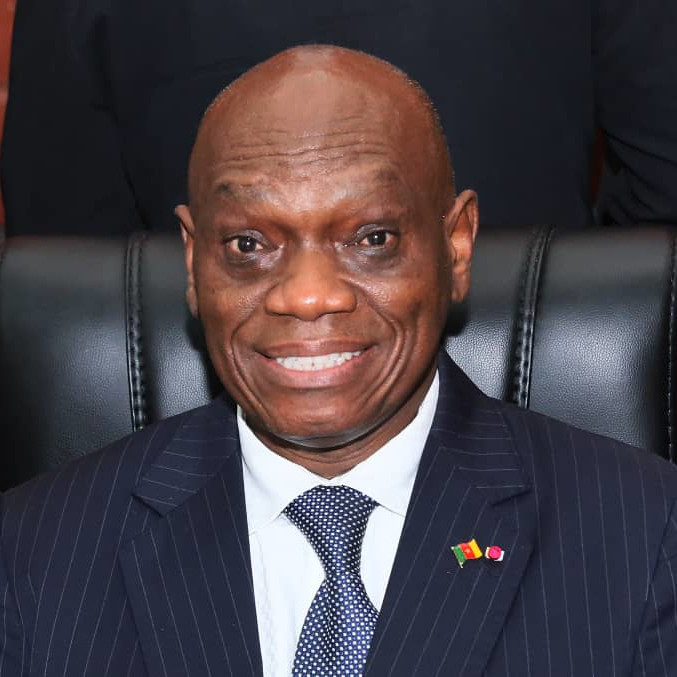
Simultaneously, the Senate also experienced a change in leadership. Marcel Niat Njifendi left the presidency of the upper house, an event that garnered less attention due to the focus on the National Assembly. His Majesty Aboubakary Abdoulaye was elected to succeed him.
Marcel Niat Njifendi, after 13 years at the head of the Senate, is therefore stepping down, opening a new chapter for this institution. These simultaneous transitions in the National Assembly and the Senate signal a potentially new political dynamic in Cameroon.
These changes come in a context where institutional issues remain intimately linked to Cameroon's development ambitions for 2030. How the new parliamentary leaders address these challenges will be decisive for the country's political and economic future. Their actions will be closely scrutinized, both nationally and internationally.
The arrival of Théodore Datouo and Aboubakary Abdoulaye at the head of these key institutions represents a potentially significant turning point for Cameroon. It remains to be seen how they will perform their duties and what impact they will have on the Cameroonian political scene in the years to come.