The Cameroonian Parliament has recently adopted a major reform of the Electoral Code, a decision that has reignited debates within the political class. At the heart of this reform is the amendment of Article 170, which introduces the possibility of extending municipal mandates and takes into account the new provisions related to the vice-presidency.
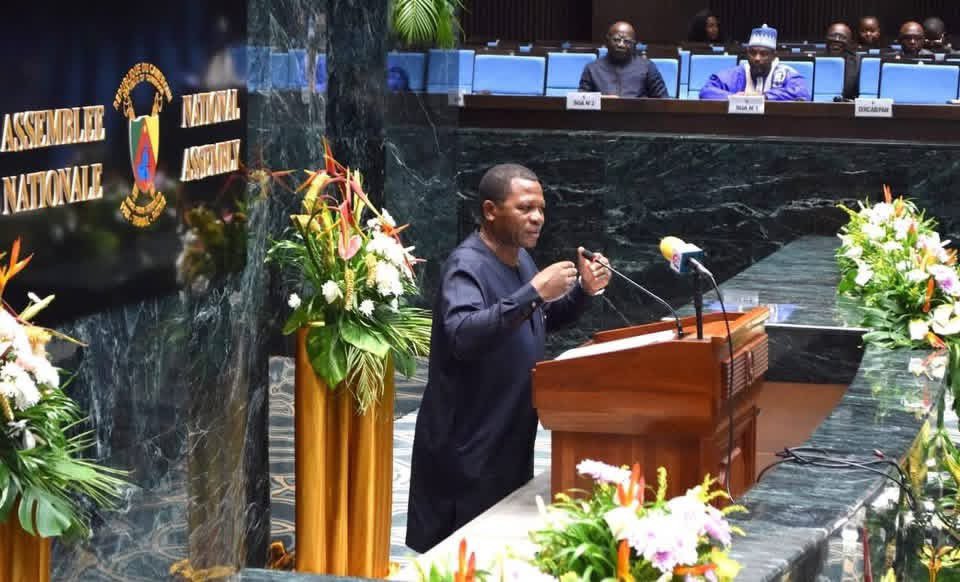
This revision, stemming from Law No. 2012/001 of April 19, 2012, crystallized tensions during its examination by the nation's elected officials. Paul Atanga Nji, Minister of Territorial Administration, defended the bill before Parliament, highlighting the advantages of the new text.
According to the government, the extension of municipal mandates responds to imperatives of administrative continuity and logistical constraints related to the organization of elections. The objective is to avoid any interruption in the functioning of local authorities, particularly in exceptional situations.
However, this justification is contested by the opposition, which sees it as a risk of indefinite extension of mandates and a challenge to the principle of democratic renewal. Concerns have been expressed about the possibility of deferring electoral deadlines under the guise of exceptional circumstances.
The reform also integrates recent constitutional changes, notably the creation of the post of Vice-President of the Republic. The Electoral Code now specifies the procedures for interim office in the event of the Head of State's incapacity, as well as the deadlines for organizing a new presidential election.
For the parliamentary majority, this adaptation of the electoral framework is necessary to face security challenges and guarantee institutional stability. The opposition, for its part, denounces a modification of the rules of the game along the way, fearing an attack on democracy.
The adoption of this reform marks an important step in the evolution of the Cameroonian electoral system, redefining the balance between institutional stability and democratic expression. The implications of these changes will be felt during the next elections.