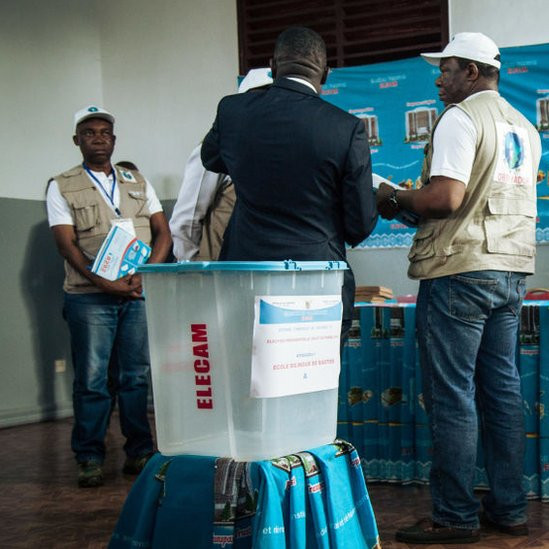
In Cameroon, the political climate remains tense following the presidential election of October 12, 2025. Although Paul Biya was declared the winner, allegations of electoral fraud have persisted, casting a shadow over the legitimacy of the vote. The opposition candidate Issa Tchiroma Bakary even claimed victory.
According to internal sources, the Biya regime is considering amending the constitution to remain in power. This move, seen as a "constitutional manipulation," would involve revising the fundamental rules after an electoral setback. The changes could include extending the term of deputies and targeting strategic articles such as the age limit and conditions of succession.
The objective would be to circumvent obstacles to the continuity of the regime, in particular by neutralizing the National Assembly and eliminating prospects for uncontrolled succession. This strategy is drawing strong criticism, as it is seen as an institutional manipulation aimed at nullifying the choice expressed by voters.
The extension of the term of deputies, for example, is considered a permanent state of exception, where the National Assembly sits without a valid electoral base. Institutions such as Elecam and the Constitutional Council, already weakened by their role in validating the contested results, risk becoming symbols of a state that no longer respects its own rules.
This situation could have repercussions on regional stability, creating a dangerous precedent for CEMAC countries. The question of who really holds power in Cameroon remains, in a context where the legitimacy of the president is contested.
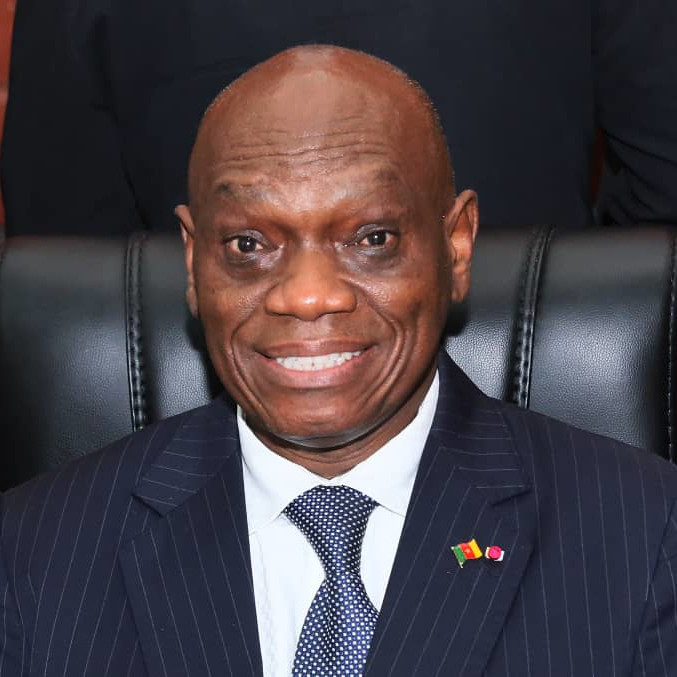
Paul Biya, 93, is the world's oldest serving head of state. He was re-elected for an eighth consecutive term.