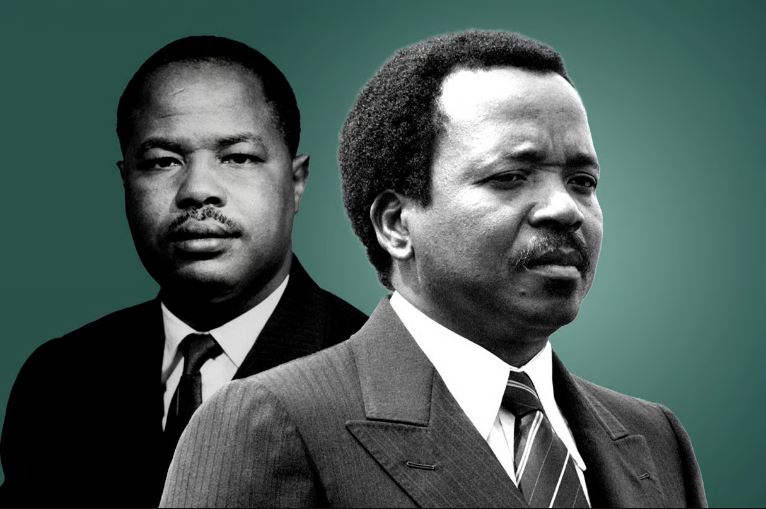
In Cameroon, as attention focuses on the results of the recent presidential election held on October 12, 2025, a past event resurfaces in discussions: the resignation of President Ahmadou Ahidjo on November 4, 1982. This decision, which led to the transfer of power to his Prime Minister, Paul Biya, is now being questioned by some, particularly due to the current political context marked by post-election tensions.
Cameroon is experiencing a period of intense protests since the call to demonstrate launched by Issa Tchiroma Bakary, a candidate contesting the provisional results of the presidential election. Clashes between law enforcement and protesters have been reported, causing loss of life, particularly in Douala where at least four deaths have been confirmed by local authorities. This tense situation revives debates about Ahidjo's choice in 1982, seen by some as one of the root causes of the country's current difficulties.
On social media, criticisms are pouring in regarding the political legacy of Ahmadou Ahidjo. Andoseh Campbel describes Ahidjo's resignation as a "monumental error," attributing Cameroon's current problems to this choice. Nouridine Nasser believes that the country took a "wrong turn" in 1982, accusing Ahidjo's decision of paving the way for an era of decline. Mohamadou Abdoulaye recalls a quote attributed to Ahidjo from his exile, in which he reportedly expressed regret about handing over power to Paul Biya.
This post-election crisis, marked by demonstrations and clashes, highlights the long-term consequences of political decisions. The wait for the official results is taking place in a climate of tension, reviving the memory of a transfer of power that continues to raise questions and regrets. The current situation underscores the importance of political choices and their lasting impacts on the stability and development of a country.
In the uncertainty, Cameroonians hope for a peaceful resolution to the crisis, prioritizing dialogue and transparency to avoid an escalation of violence and a challenge to the democratic process. The stakes are high: preserving the peace and stability of the country, while responding to the legitimate aspirations of the population.