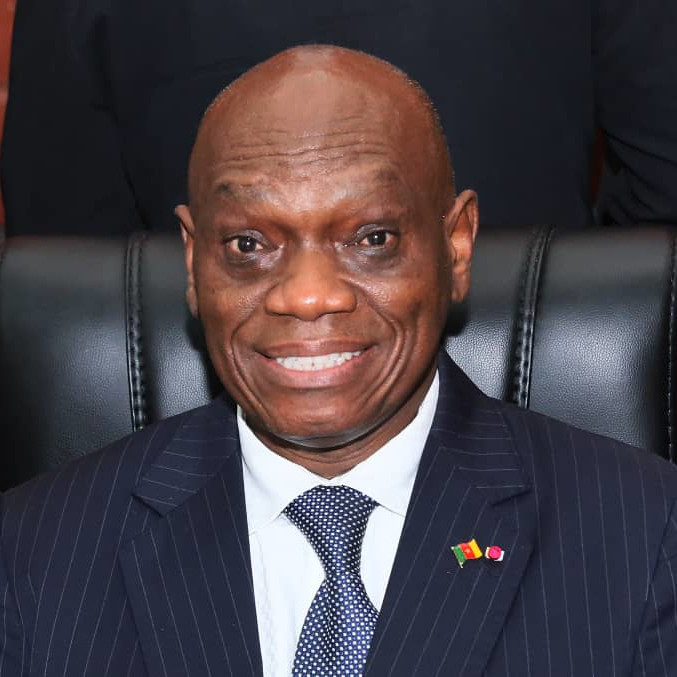


The Cameroonian political scene is currently witnessing a debate on the extension of the mandate of deputies. Belmondo Djouaka, speaking on Équinoxe TV, voiced his disagreement with the possibility of deputies voting on a law to extend their own mandate. According to him, this decision should be up to the people.
Djouaka recalled that the deputies are elected for a five-year term, the result of a popular vote. He therefore believes that any extension of this mandate must be subject to the approval of the voters. This stance comes in a context where the issue of extending electoral mandates is regularly raised in Cameroon.
Djouaka's argument is based on the principle of popular sovereignty, where elected officials are considered temporary agents whose legitimacy expires at the end of their constitutional mandate. He criticizes the idea that deputies can vote on a law to extend their own presence in the Assembly, seeing it as a breach of the electoral contract.
"Give the power back to the people," he declared, thus opposing the representative mandate to the popular vote, the only legitimate judge of the end of mandates. His intervention, broadcast on a private television channel such as Équinoxe TV, offers a more direct platform for expression than public media.
This media intervention puts pressure on parliamentarians and fuels a citizen debate on representativeness and the limits of the mandate. It could encourage citizen mobilization, with calls for a referendum or early elections.
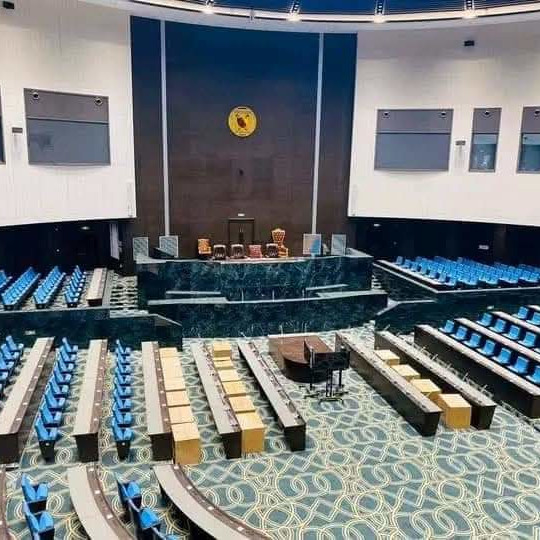
Meanwhile, the National Assembly has voted to extend its mandate until December 20, 2026. With the last legislative elections dating back to January 2020, the deputies' term should have ended in March 2025. A first extension was voted on March 10, 2025, postponing the deadline by one year. President Paul Biya had announced a "slight readjustment" of the electoral calendar.