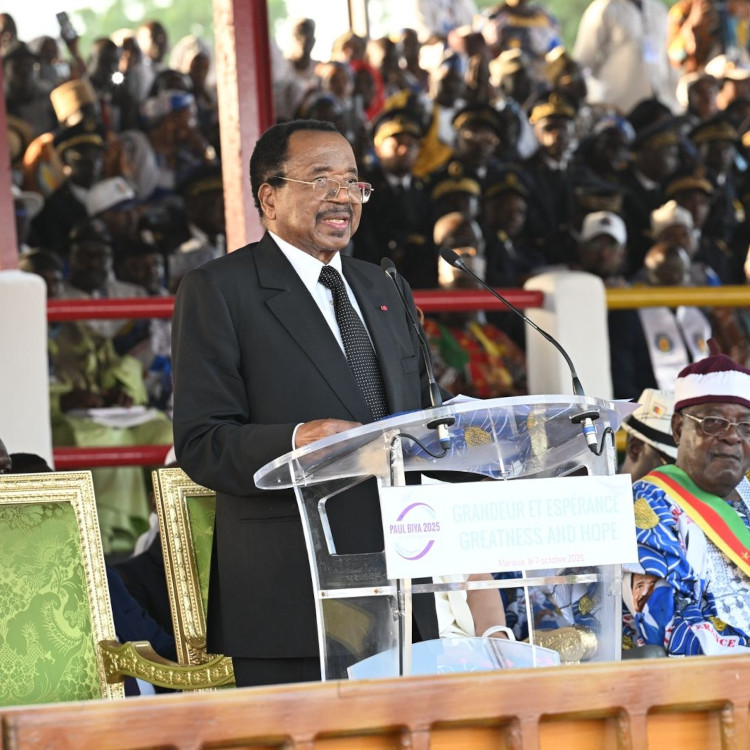
Cameroon stands at a pivotal moment in its history, facing a succession to Paul Biya that looms as a programmatic void. After more than four decades in power, President Biya leaves behind a political landscape where no emerging figure seems capable of proposing a clear and structured vision for the country's future.
Instead of distinguishing themselves through innovative societal projects, the contenders for the highest office are focusing more on maneuvers aimed at consolidating the existing system and preserving their personal interests. This race to reclaim the state is manifested by a lack of concrete proposals to revitalize democracy, fight corruption, or promote national reconciliation. Legal ploys and constitutional sleight of hand are favored, with the aim of guaranteeing impunity and maintaining access to national resources.
The post-Biya era is thus at risk of being compromised before it has even begun. Those who aspire to take over seem to conceive of power not as a tool for reconstruction, but as a mere extension of their privileges. This inability to articulate a coherent project casts doubt on the capacity of the current political pool to produce statesmen capable of transcending their personal interests to serve the general interest.
The urgent challenges facing Cameroon are, however, well identified: dilapidated road infrastructure, water and electricity shortages, moribund diplomacy. The current inaction contrasts with the urgency of the needs of a population facing unprecedented degradation of social cohesion. In the short term, this political vacuum could exacerbate infighting within the state apparatus, further weakening an administration already paralyzed by inaction.
Faced with the inability of the succession contenders to propose a clear and unifying vision, Cameroon's future remains uncertain. History will judge Paul Biya's legacy, but Cameroon cannot afford to wait indefinitely for the emergence of dynamic forces capable of conceiving the country's reconstruction before coveting power.