


In Cameroon, the debate over the opposition's strategy takes an unexpected turn with the Front for Change in Cameroon (FCC) opposing the resignation of the Honorable Jean Michel Nintcheu, a member of parliament and a leading figure in the party. This affair, which may seem internal, actually reveals a deep disagreement on how to conduct political resistance against a firmly established regime.
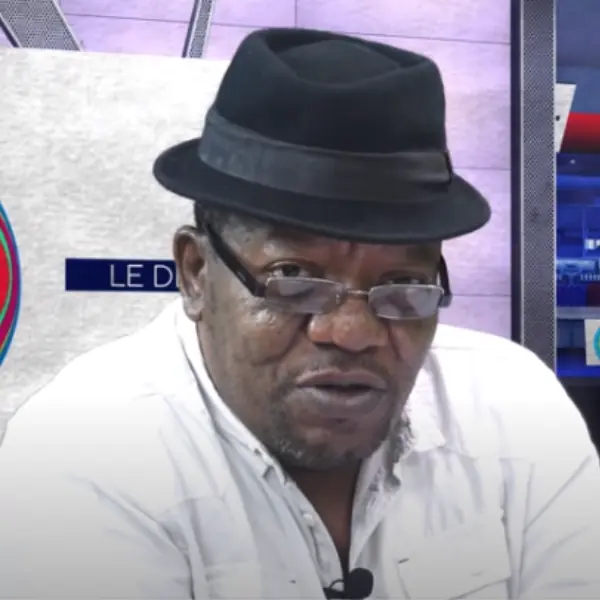
Jean Robert Wafo, an FCC executive, has spoken out against what he sees as a "one-track mind" that demands the resignation of Jean Michel Nintcheu. This request follows Nintcheu's public denunciation of the extension of the deputies' mandate, a decision seen by many as a consolidation of power by the ruling party. Wafo, the FCC's national secretary for communications, believes that this requirement is not only unjustified but also dangerous for the opposition.
Wafo puts forward a logic of consistency, recalling that those who today demand Nintcheu's resignation are often the same people who in the past criticised the boycott of elections. According to him, being in the institutions is not a betrayal, but a necessity to make the voice of the people heard and to exercise a counter-power. He insists that the money that remunerates MP Nintcheu comes from the taxes of Cameroonians and not from a favour of the regime in place.
The FCC denounces an excessive focus on the Nintcheu case, while other MPs do not face the same pressures. Wafo sees this as an exploitation of political morality and stresses that consistency should not be reduced to a posture of sterile sacrifice. He recalls that Nintcheu was elected by the people and that his mandate cannot be revoked by an opposing party or a passing opinion.
This debate highlights a deep strategic divergence within the Cameroonian opposition. While some parties, such as the MRC, advocate a boycott of institutions, the FCC believes that it is essential to remain present to denounce abuses from within and try to influence decisions. Wafo points out that by resigning, Nintcheu would deprive the opposition of an important voice in Parliament and leave the field open to the ruling power.
Jean Robert Wafo asserts that Jean Michel Nintcheu is disturbing those who advocate a single way of thinking and a monarchical drift of institutions. The question is whether elected officials should be required to give up their seats to prove their integrity, or whether their courage to resist from within should be commended instead. In the end, the Cameroonian people, the sole holders of the mandate, will have to decide.
By remaining in parliament, Nintcheu retains a platform to alert and denounce, relative immunity and the possibility to oppose decisions he considers unfair.