

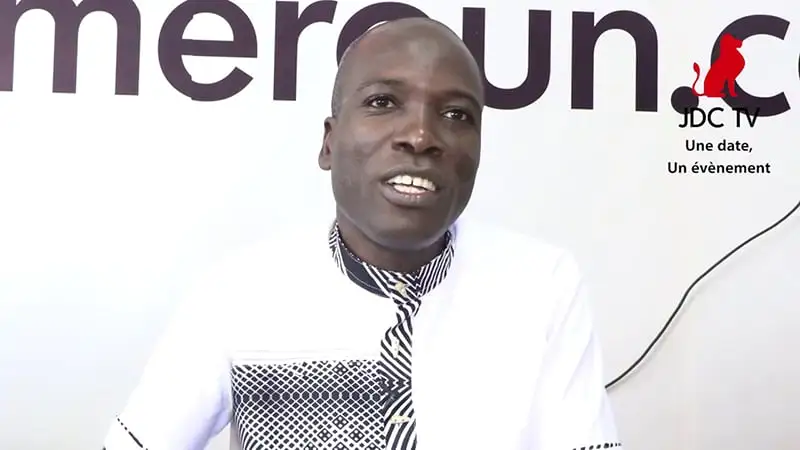
The African Movement for New Independence and Democracy (MANIDEM) is experiencing a period of turbulence. Jean Baptiste Ketchateng, an influential figure in the party, announced his resignation on March 23, 2026, motivated by what he sees as a growing hold of the Cameroon People's Democratic Rally (RDPC) on MANIDEM. This resignation comes in an already tense context, marked by persistent disagreements regarding the burial place of Anicet Ekane, president of MANIDEM who died on December 1, 2025.
Ketchateng, who had been active within MANIDEM for some thirty years, expressed concerns about the direction the party is taking. According to him, the RDPC is exploiting MANIDEM, a party he describes as a "vital public asset" for the future of Kamerun. He fears that this influence serves the interests of a neocolonial system that MANIDEM had vowed to fight.
In his resignation statement, Ketchateng denounces an "organized confusion" which, according to him, has been raging for six months within the party. He particularly deplores the lack of clear communication regarding the schedule for Anicet Ekane's funeral and, more specifically, the place of his burial, which he considers a "major political sign". He had already alerted public opinion to this situation on March 2, 2026, but his attempts to correct the party's trajectory remained unsuccessful.
MANIDEM, a Cameroonian political party legalized in 1995, emerged from the Union of the Peoples of Cameroon (UPC). It has known several emblematic figures, including Anicet Ekane, who died in detention in December 2025. The party describes itself as a nationalist left-wing movement. In 2025, the party registered the support of Maurice Kamto and his leadership.
Jean Baptiste Ketchateng's resignation highlights the internal divisions and challenges facing MANIDEM. His departure represents a significant loss for the party, which must now find the resources necessary to overcome this crisis and preserve its independence in the face of external influences. The future of MANIDEM remains uncertain, but its ability to reinvent itself and remain true to its founding values will determine its place in the Cameroonian political landscape.