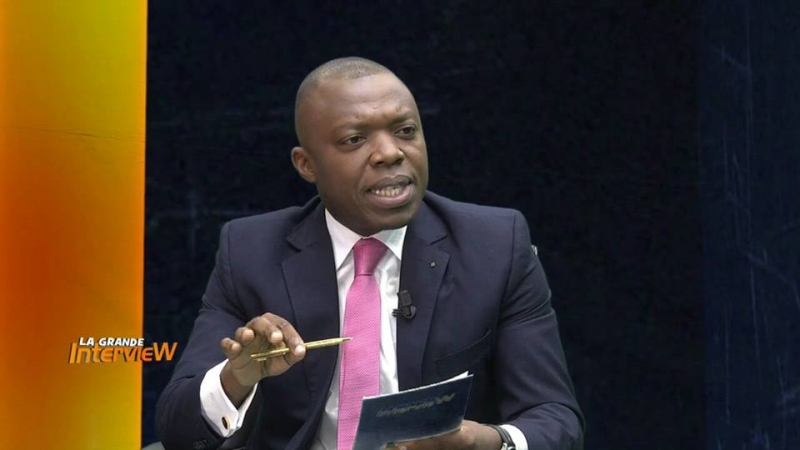
Cameroonian journalist Jean-Bruno Tagne has voiced strong criticism of the proposed constitutional review currently under consideration in the Cameroonian Parliament. In a social media post dated April 2, 2026, he described the initiative as a clumsy attempt to correct past mistakes, deeming it unsuitable for the country's current challenges.
Tagne, known for his outspoken stance on political issues, did not mince his words. "They are clumsily trying to make up for 43 years of democratic destruction, short-sightedness and power-hungry blindness with a useless constitutional butchery," he wrote, denouncing what he sees as a cosmetic and superficial reform.
Without explicitly naming the ruling Cameroon People's Democratic Movement (CPDM), which has been in power for over four decades, the journalist is clearly targeting the political management led by the party. He implies that this constitutional review does not meet the population's deep aspirations for good governance, transparency and the strengthening of democratic institutions. The introduction of a vice-president position, a flagship measure of this review, is seen by Tagne as a mere palliative, unable to solve the country's structural problems.
This stance comes at a crucial moment, as the Cameroonian Parliament, meeting in Congress in Yaoundé, is examining this draft constitutional law alongside other important pieces of legislation. The political context is marked by lively debates on the necessity and timeliness of this reform, as well as its potential implications for the future of Cameroon. Several voices have risen to denounce a lack of consultation and transparency in the drafting process of this review.
The criticism leveled by Jean-Bruno Tagne echoes a sentiment shared by a section of Cameroonian public opinion, which expresses doubts about the ability of this reform to bring about meaningful and lasting change. Some observers believe that this constitutional review is mainly aimed at consolidating the power in place, rather than meeting the real needs of the population.
The debate on the Cameroonian constitutional review is therefore far from over. It highlights the crucial issues facing the country in terms of governance, democracy and development. The outcome of this process will have significant consequences for Cameroon's political and institutional future. The next stages of the parliamentary review will be decisive for the adoption or rejection of this controversial reform.