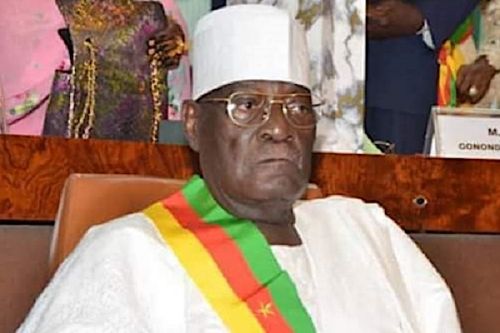
The death in custody of Anicet Ekane, a prominent figure in the Cameroonian opposition, continues to spark controversy and outrage. He died on December 1, 2025, in a military detention center in Yaoundé. While the Ministry of Defense has officially attributed his death to natural causes, this version of events has struggled to gain acceptance.
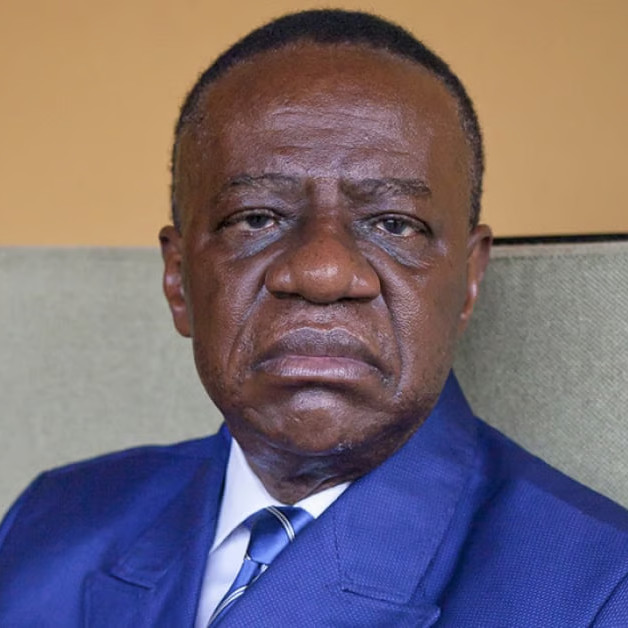
According to the ministry's statement, the autopsy, conducted by a panel of medical experts, revealed "no traces of trauma" and highlighted "serious underlying health problems". Anicet Ekane, 74, was the president of the African Movement for New Independence and Democracy (MANIDEM) and a key figure in the Union for Change coalition. His arrest in Douala in late October occurred amidst a crackdown on dissenting voices following the contested 2025 presidential election.
The official version was quickly challenged by Ekane's family and supporters, who denounced the confiscation of his respiratory equipment upon his arrest, an allegation denied by authorities. The nearly three-month delay in releasing the autopsy results also fueled mistrust and accusations of a cover-up. Voices have risen to denounce the denial of medical care and a "criminal national shame".
Beyond the controversy, Anicet Ekane's death has highlighted divisions within the government. The Minister of Communication, René Emmanuel Sadi, publicly expressed his regret and suggested that Ekane's arrest may not have been fully debated within the competent bodies. "Some decisions are made by people who think they are acting in the country's interest. Sometimes, they do not consult those who may have a different opinion," he stated. An official investigation is underway, but for many, Ekane's death symbolizes the struggle for transparency and political accountability in Cameroon.
Anicet Ekane's body was finally handed over to his family on February 23, 2026, after 85 days under judicial seal.