

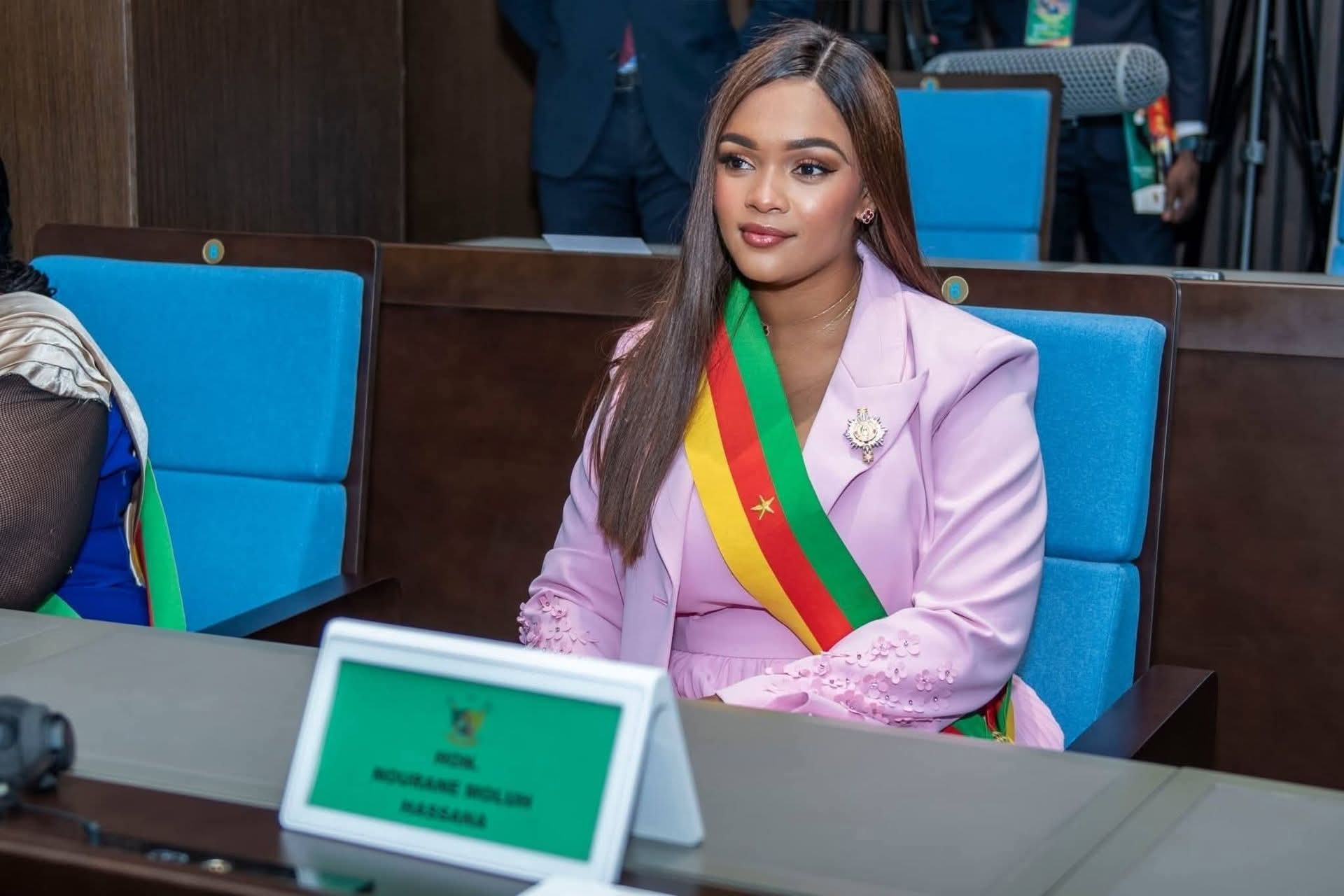
MP Nourane Fotsing has described an "electric" atmosphere in the Cameroonian Parliament, as lawmakers consider key institutional reforms. In a social media post on Thursday, April 2, 2026, she highlighted the importance of the moment, marked by the presence of major institutional players and the scale of the decisions expected.
At the heart of the parliamentary debates are two major bills. The first aims to create a Vice-President of the Republic. If adopted, this reform would significantly alter the structure of executive power in Cameroon. Article 5 of the Constitution would be amended to state that "the President remains Head of State" but may be "assisted by a Vice-President". Article 7 specifies that in the event of a vacancy, the Vice-President shall complete the presidential term. The president would appoint and be able to dismiss the vice-president.
The second bill concerns the extension of the term of office of municipal councilors, as part of a broader readjustment of the electoral calendar.
"Being a member of parliament at this crucial moment in our country's history is a real privilege," Nourane Fotsing wrote on her Meta page. "The electric atmosphere here in Parliament is palpable, with the presence of all the key players and institutional bodies of the country, reflecting the magnitude and historical nature of this event – the advent of a Vice-President in our country".
These discussions come amid broader institutional reforms in Cameroon. Concordant sources indicate that the draft constitutional reform has been ready for more than a year. The Cameroonian Parliament convened in Congress in Yaoundé from April 2 to 5 to consider the bill. The bill is scheduled to be passed on April 5.
Nourane Fotsing, an MP for Wouri Est, is known for her political commitment and activity on social media. She was elected to the National Assembly in 2020 under the banner of the Cameroonian Party for National Reconciliation (PCRN).
The introduction of a Vice-President and the extension of the terms of office of municipal councilors mark a potentially significant step in Cameroon's political evolution. The outcome of these parliamentary discussions is eagerly awaited.