

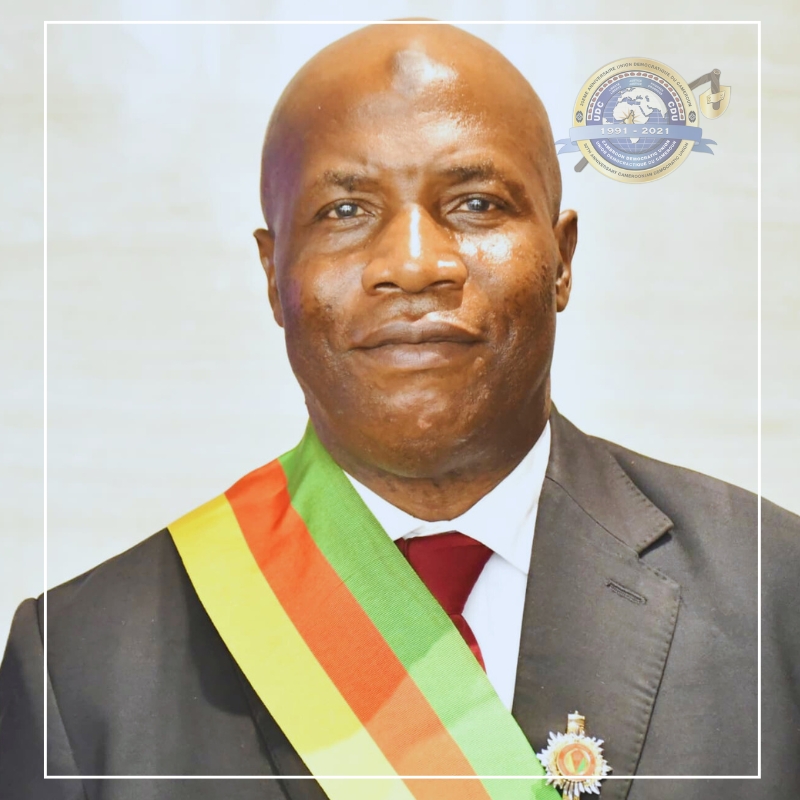
As part of the ongoing constitutional review debates in Cameroon, the Union Démocratique du Cameroun (UDC) has submitted a series of proposals aimed at profoundly reforming the country's political and electoral system. These amendments, championed by MP Adamou Koupit, come in a political context marked by intense discussions within Parliament.
The UDC proposes, in particular, the introduction of a "presidential ticket," where the president and vice-president would be jointly elected on the same list. This measure aims to establish a direct link of legitimacy between the two functions, thereby strengthening the stability of executive power. Adamou Koupit also suggests integrating a regional balance logic into this joint candidacy, with an alternation between candidates from the former Eastern and Western Cameroon. According to its promoters, this approach would foster national cohesion at the highest level of the State.
Beyond the electoral structure, the UDC advocates for a limitation of the presidential term to five years, renewable only once. The party also proposes the adoption of a two-round majority voting system, with the aim of strengthening the legitimacy of the elected head of state. Other adjustments are being considered, particularly regarding incompatibilities related to the presidential function and the status of the vice-president, whose direct election would represent a significant evolution of the current system.
These proposals from the UDC are part of a broader debate on governance and the organization of institutions in Cameroon. The ongoing constitutional review raises questions about the transparency of the process and the real motivations behind these changes. Some political analysts see it as a discreet power devolution maneuver, orchestrated by the ruling circles without real popular consultation.
The UDC, through the voice of Tomaïno Ndam Njoya, has also criticized a government initiative to redraw the country's administrative map, denouncing an exclusive process imposed by the central authorities without consulting local actors. The party, which favors a federal system, calls for a national dialogue and a general population census to inform this reform. The outcome of these constitutional debates remains uncertain, but it could durably redefine the Cameroonian political landscape.